Car Motion Sickness Relief: Triggers and Fast Fixes
Why motion sickness happens in cars
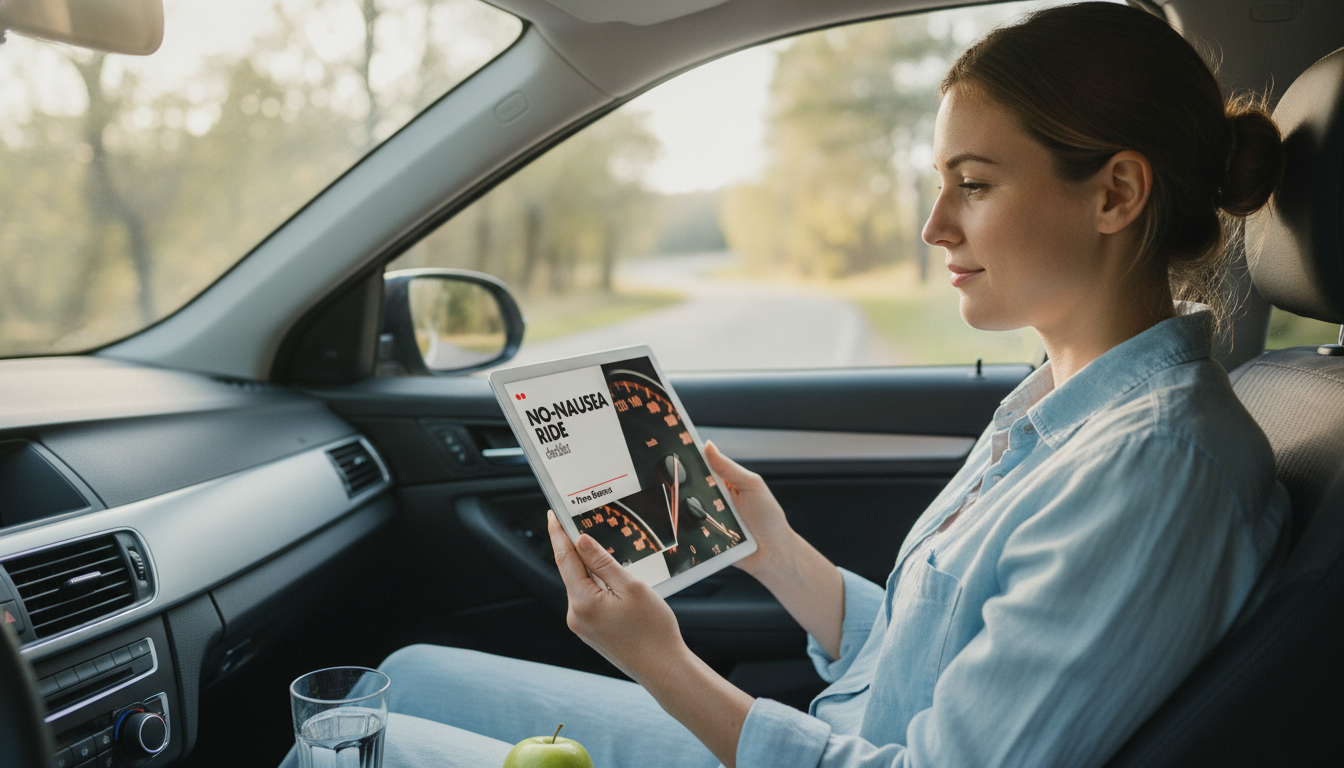
Car motion sickness usually starts with a simple problem: the body receives mixed signals. Your inner ear senses movement (acceleration, braking, curves), while your eyes may be focused on something that looks still—like a phone screen, a book, or even the back of a headrest. That mismatch can trigger nausea, dizziness, sweating, fatigue, or headaches.
Several factors make it easier for symptoms to kick in: reading on a phone, sitting in the back seat, strong odors (food, perfume, air fresheners), warm cabin air, dehydration, and anxiety about getting sick. Kids and teens are often more sensitive, and symptoms can be stronger on curvy roads or when the driver brakes frequently.
Some travelers also have a higher baseline sensitivity due to migraines, vestibular (balance) issues, pregnancy, or certain medications. If motion sickness has become more intense or is new for you, it’s worth keeping an eye on patterns and discussing persistent symptoms with a clinician.
Fast self-check: identify your likely trigger
Pinpointing the trigger makes it easier to pick a tactic that works quickly—especially mid-trip.
- Visual trigger: Symptoms spike when looking down at a screen or book; relief improves when looking at the horizon.
- Road/vehicle trigger: Nausea worsens on curves, hills, or when seated over the rear axle; improves in the front passenger seat.
- Smell/heat trigger: Strong air fresheners, food odors, or warm air makes symptoms start sooner.
- Anxiety trigger: Symptoms begin before the ride; fear of vomiting increases nausea and sensitivity to small motions.
Quick pick: road-trip motion sickness tactics by situation
| Situation | What to do before the ride | What to do during the ride | What to avoid |
|---|---|---|---|
| Back seat passenger | Light snack, hydrate, choose center seat if possible | Look far ahead, keep head stable, cool airflow | Reading, tight headphones, heavy meals |
| Curvy or mountain roads | Plan breaks, consider preventive medication if approved | Fix gaze on distant point, minimize head turns | Rapid lane changes, scrolling on phone |
| Kids prone to nausea | Simple foods, pack bags + wipes, explain horizon-looking game | Frequent small sips of water, air vents on, distraction without screens | Sugary drinks, overeating, rear-facing focus |
| Motion sickness + migraines | Sleep, regular meals, discuss options with clinician | Reduce glare, sunglasses if helpful, steady breathing | Strong scents, dehydration, skipping meals |
| Rideshare/taxi in traffic | Avoid heavy food; carry ginger/peppermint if tolerated | Sit front if possible; open vent; short gaze checks outside | Reading emails, looking down for long periods |
Set up the ride: seating, posture, air, and sightline
Small setup choices reduce the sensory mismatch that drives nausea.
- Choose the best seat: The front passenger seat is often easiest because the view matches the car’s motion. In the back, the middle seat can reduce side-to-side sway and improve forward sightlines.
- Keep head and torso stable: Use the headrest, or add a travel pillow for gentle support. Limit frequent turning and avoid “searching” motions (looking side to side repeatedly).
- Create a clear sightline: Look toward the horizon or far down the road. Keep the chin level rather than tucked down toward your lap.
- Use cool airflow: Aim a vent toward your face and keep the cabin slightly cool. If it’s safe, crack a window to reduce odors and stuffiness.
- Reduce sensory overload: Lower heavy bass, remove strong scents, and dim bright screens at night to reduce visual strain.
What to do before getting in the car
Prevention works best when it’s simple and repeatable—especially for long trips or frequent commuters.
During the ride: a step-by-step rescue plan
Remedies and tools: what tends to help (and what to watch for)
For deeper medical guidance on motion sickness and preventive options, see the CDC Yellow Book and the Mayo Clinic overview.
After the ride: recover faster and reduce the next episode
Digital guide option for structured, repeatable routines
- No‑Nausea Ride: The Ultimate Digital Guide to Beating Motion Sickness on the Road (digital, quick-reference routines for prevention, first symptoms, and recovery)
- Guide to Baby Crawling | Developmental Milestones, When Do Babies Crawl, Parent-Friendly Digital Guide (helpful for parents planning family travel breaks around baby needs and routines)
- Smart Thrift: Unlocking Style Without Wasting Money – A Strategic Guide to Thrift Shopping (useful for building a budget-friendly travel kit: wipes, spare tees, small fans, and other practical trip backups)
When to get medical advice
For additional public-health guidance, the NHS motion sickness page is a helpful reference.
FAQ
What is the fastest way to stop motion sickness in a car?
Look up and focus on a distant point or the horizon, keep your head steady, and get cool airflow to your face. Stop reading or scrolling, and take a short break before symptoms peak if you can.
Is it better to ride in the front or back seat to prevent nausea?
The front passenger seat is often best because your visual input matches the car’s motion more closely. If you must ride in the back, the middle seat with a clear forward view usually helps more than a side seat.
What should you eat before a road trip if you get motion sick?
A small, bland snack with water is typically better than an empty stomach or a heavy, greasy meal. Choose mild foods in modest portions and avoid strong-smelling items right before departure.













Leave a comment