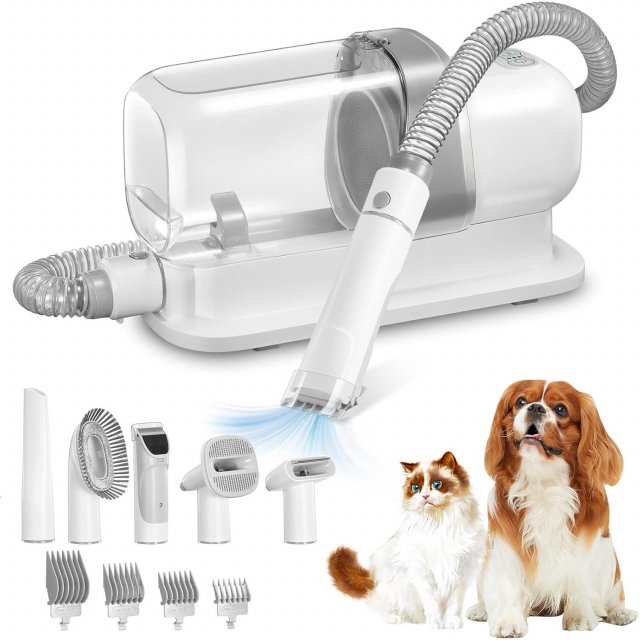
Effortless Grooming with Unmatched Convenience
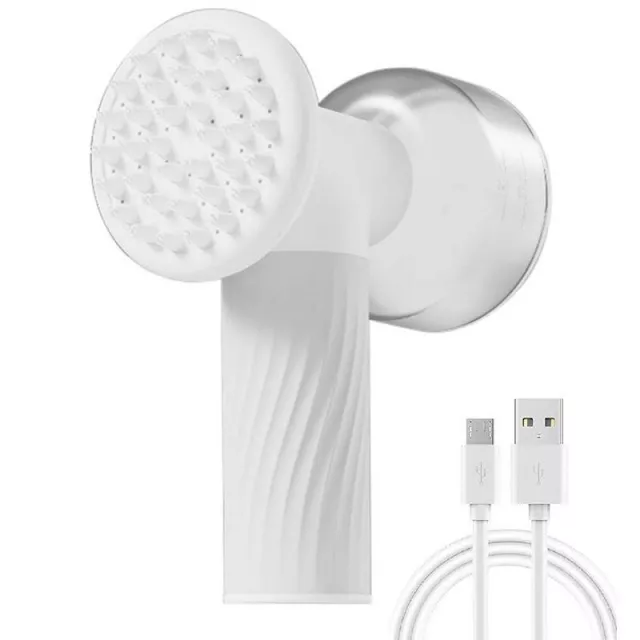
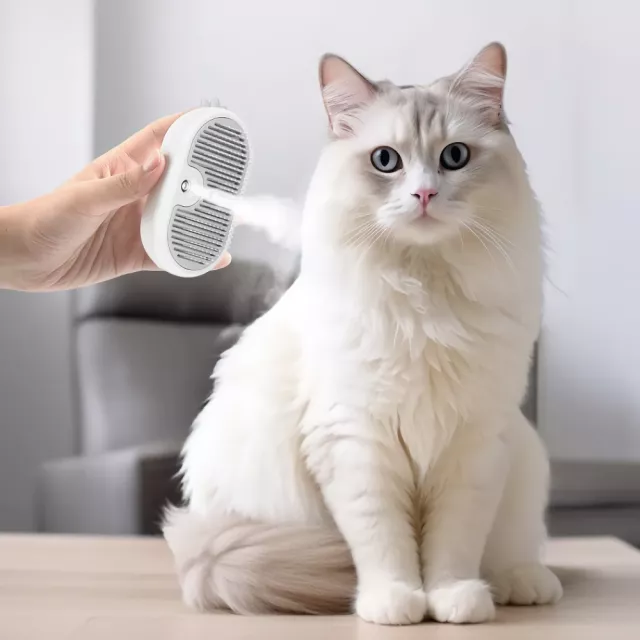
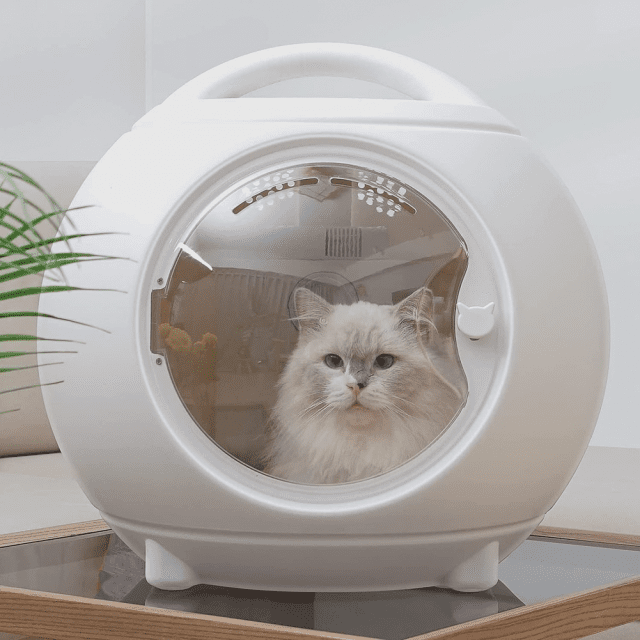
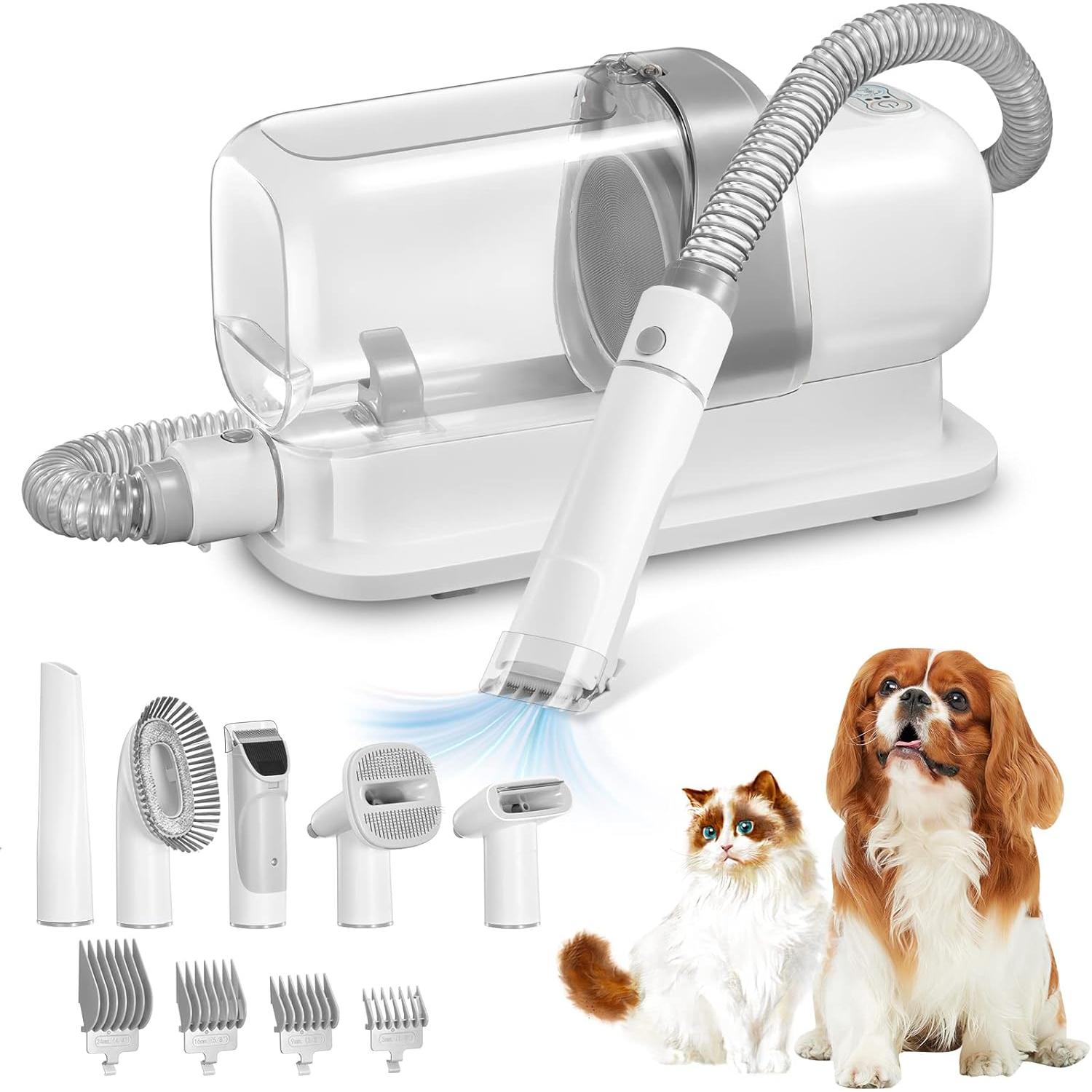
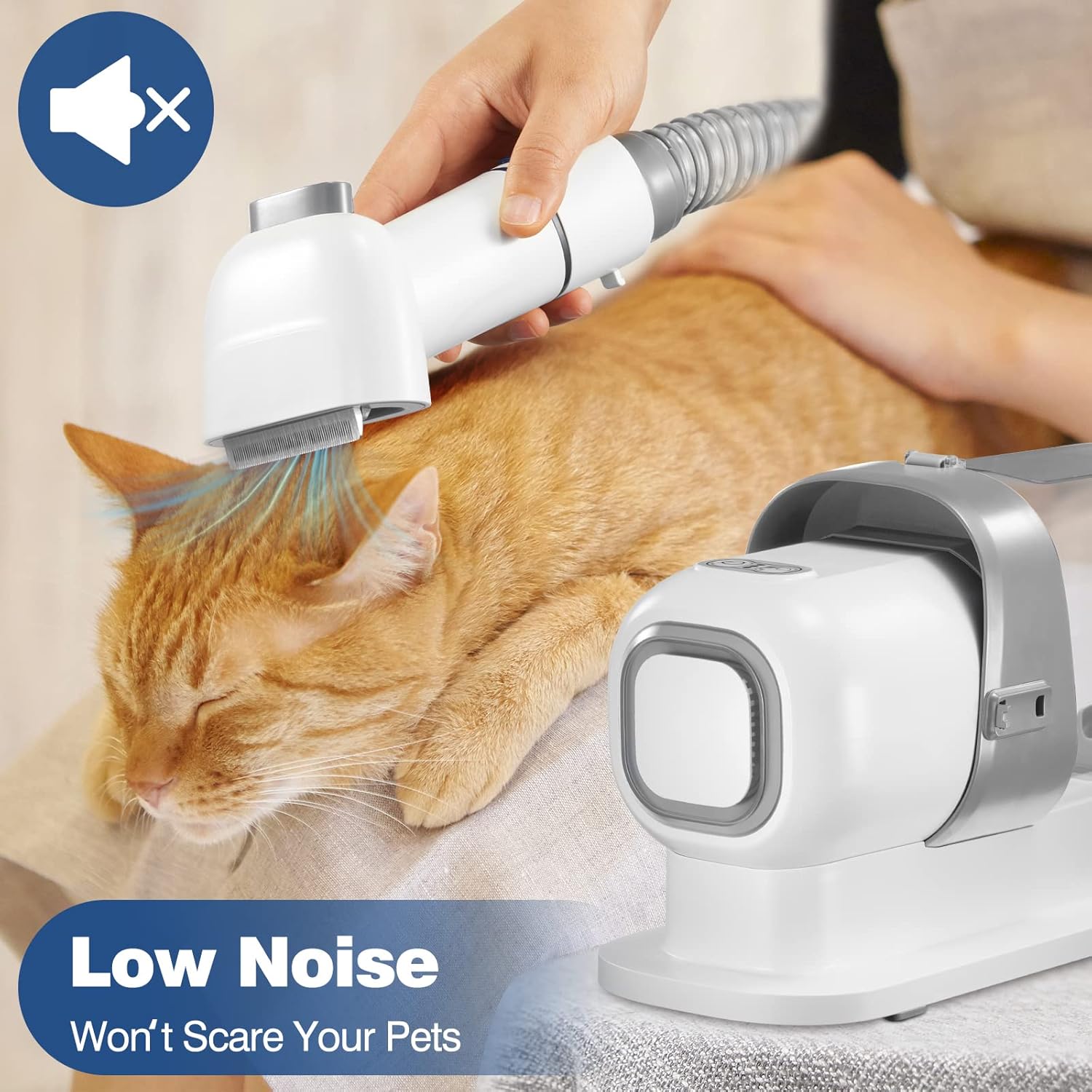
Say goodbye to messy grooming sessions with this innovative Pet Grooming Vacuum & Dog Grooming Kit. Designed for ease and efficiency, it offers a stress-free solution to keep your furry friend looking their best while ensuring your home stays spotless. Its low-noise technology keeps pets calm, making grooming a pleasant experience for both of you.
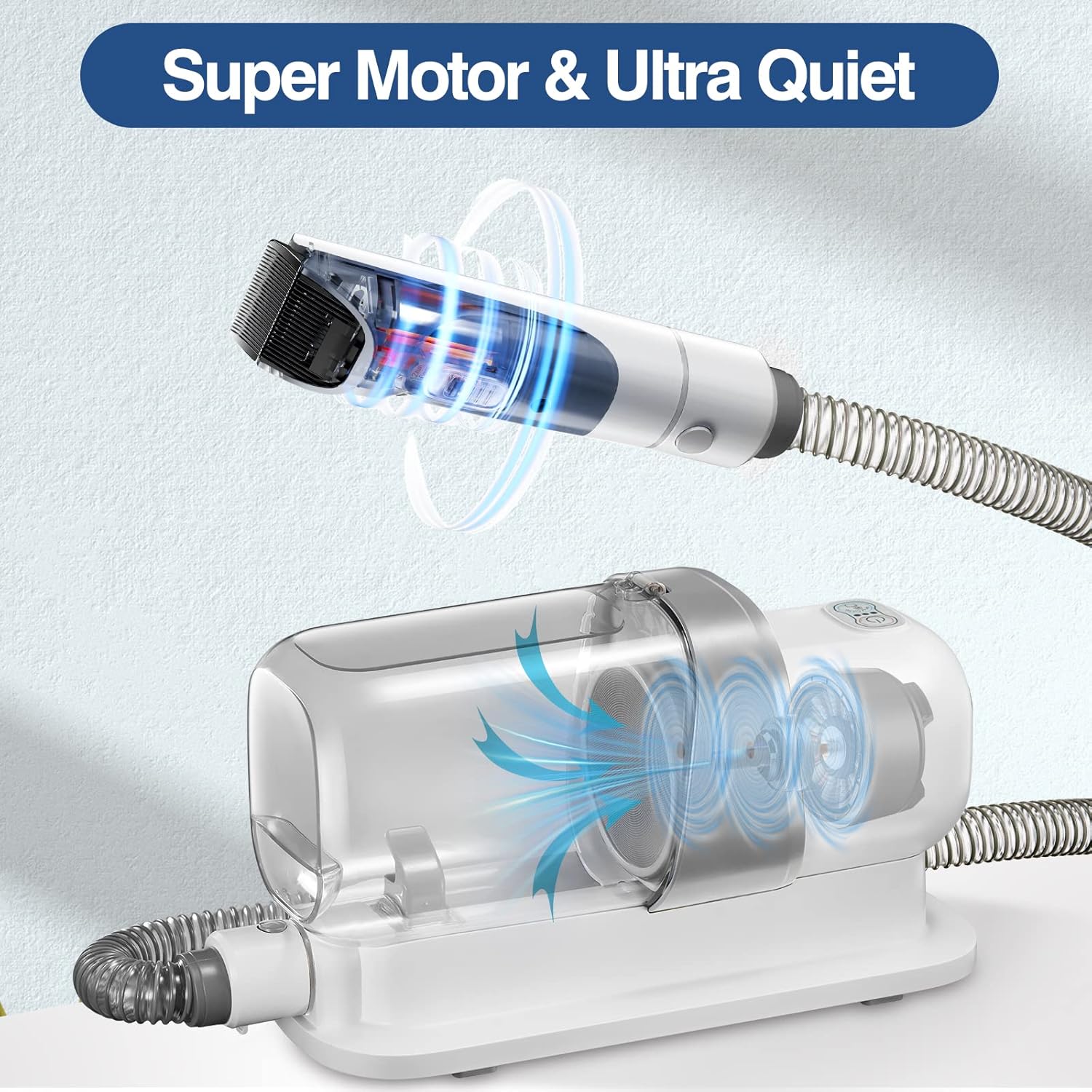
This grooming kit features a powerful vacuum suction that captures 99% of pet hair directly into a spacious 2.3L dust cup, saving you time and effort. Whether it’s shedding season or regular grooming, this all-in-one kit ensures a smooth, hassle-free experience.
Key Features
- Low Noise Operation: Engineered with a high-quality motor producing less than 60dB, ensuring pets feel comfortable and relaxed.
- 99% Hair Suction: Efficiently vacuums pet hair as you groom, preventing it from spreading around your home.
- 2.3L Dust Cup: A large capacity to collect hair, minimizing interruptions during grooming sessions.
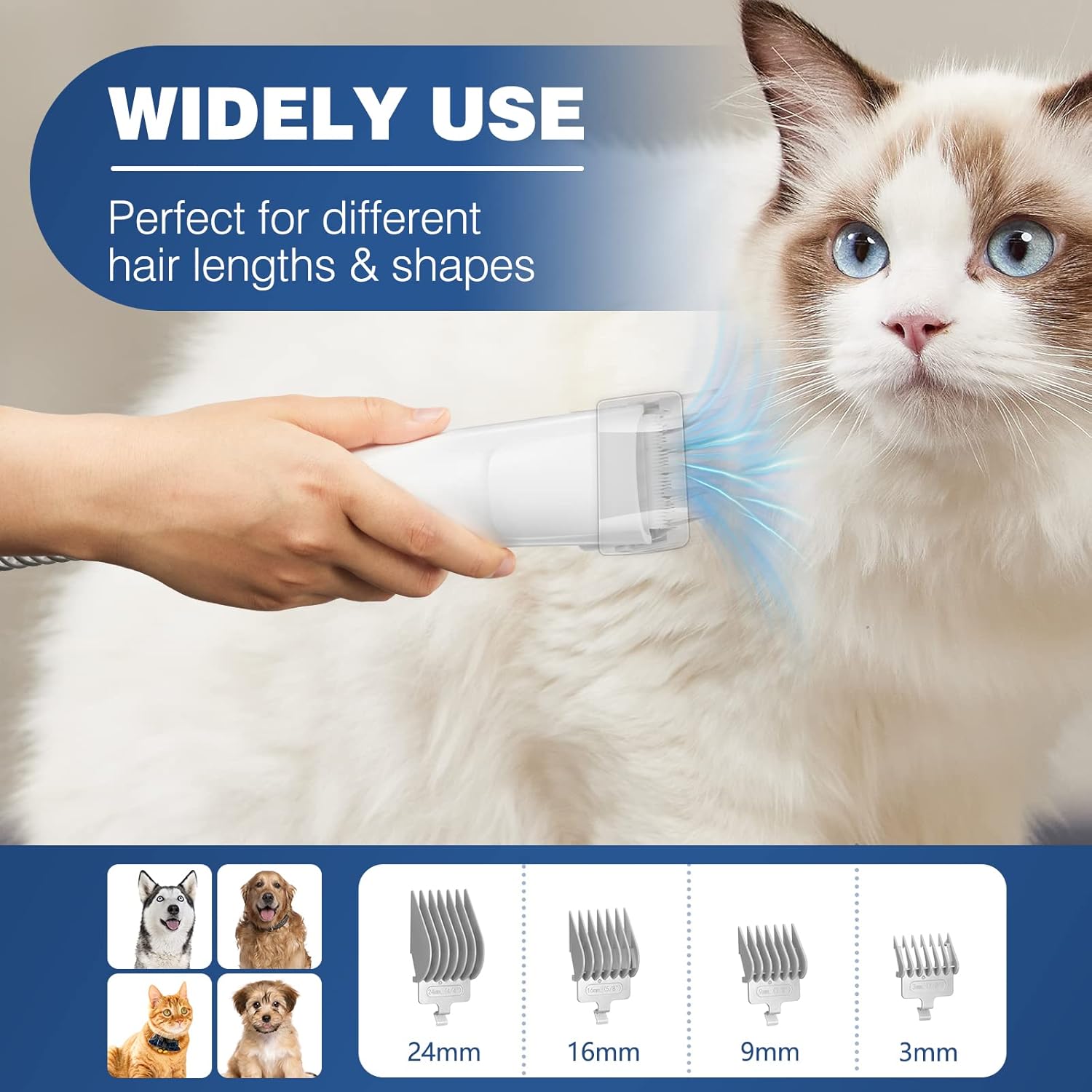
- Electric Dog Clipper: Provides smooth, fast, and gentle clipping for a professional-quality finish at home.
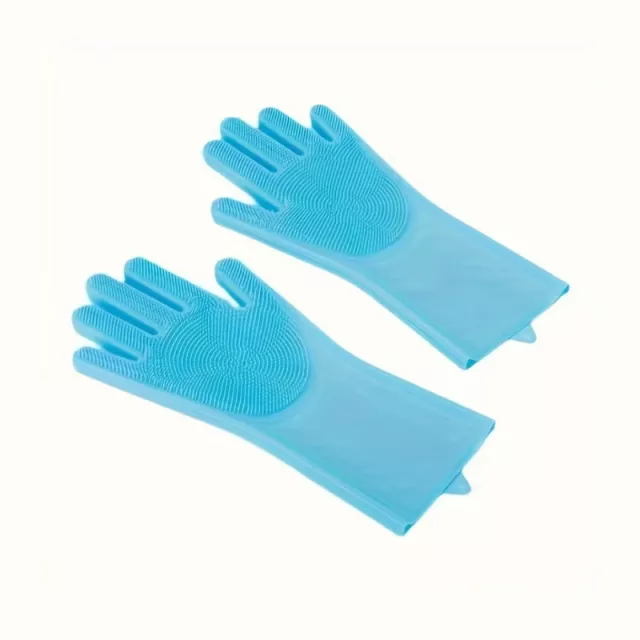
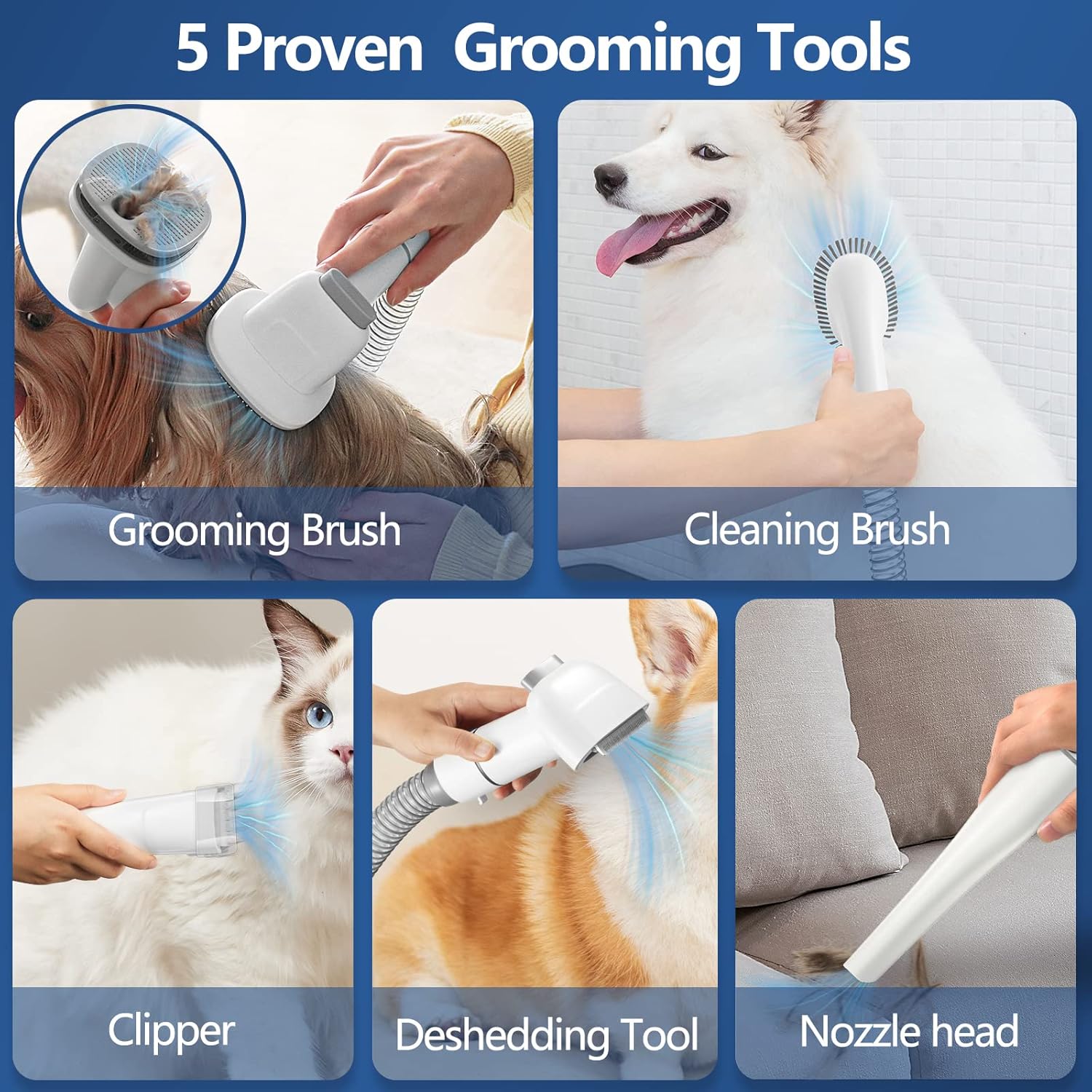
- Comprehensive Kit: Includes 5 versatile grooming tools and 4 guard combs for precise grooming tailored to your pet’s needs.
Benefits of the Grooming Vacuum Kit
- Time-Saving: Combines grooming and cleaning in one easy step, cutting down your pet care routine.
- Stress-Free for Pets: Quiet operation and gentle grooming tools ensure your pet stays relaxed.
- Cost-Effective: Achieve salon-quality grooming at home, eliminating the need for frequent trips to the groomer.
- Easy to Use: Ergonomic design and simple setup make it suitable for all pet owners, even beginners.
- Cleaner Home: No more stray hair scattered around—just a clean, tidy living space.
Perfect for Any Occasion
This grooming vacuum is ideal for regular grooming sessions, shedding season, or simply maintaining your pet’s clean and healthy coat. Its versatility makes it perfect for pets of all sizes and fur types.
Why Choose This Grooming Kit?
With its combination of powerful performance, thoughtful design, and ease of use, this Pet Grooming Vacuum & Dog Grooming Kit is a game-changer for pet owners. From maintaining your pet’s coat to keeping your home hair-free, it’s the ultimate grooming solution for a cleaner, happier life with your furry companion.
Take control of grooming today—make every session a breeze with this all-in-one grooming vacuum kit. Order now!
SHIPPING
We are proud to offer international shipping services that currently operate in over 200 countries and islands world wide. Nothing means more to us than bringing our customers great value and service. We will continue to grow to meet the needs of all our customers, delivering a service beyond all expectation anywhere in the world.
Do you ship worldwide?
Yes. We provide free shipping to over 200 countries around the world. However, there are some locations we are unable to ship to. If you happen to be located in one of those countries we will contact you.
What about customs?
We are not responsible for any custom fees once the items have been shipped. By purchasing our products, you consent that one or more packages may be shipped to you and may get custom fees when they arrive to your country.
How long does shipping take?
Shipping time varies by location. These are our estimates:| Location | *Estimated Shipping Time |
|---|---|
| United States | 5-20 Business days |
| Canada, Europe | 5-20 Business days |
| Australia, New Zealand | 5-20 Business days |
| Central & South America | 5-25 Business days |
| Asia | 5-20 Business days |
| Africa | 5-25 Business days |
Do you provide tracking information?
Yes, you will receive an email once your order ships that contains your tracking information. If you haven’t received tracking info within 5 days, please contact us.
My tracking says “no information available at the moment”.
For some shipping companies, it takes 2-5 business days for the tracking information to update on the system. If your order was placed more than 5 business days ago and there is still no information on your tracking number, please contact us.
Will my items be sent in one package?
For logistical reasons, items in the same purchase will sometimes be sent in separate packages, even if you've specified combined shipping.
If you have any other questions, please contact us and we will do our best to help you out.
RETURNS
Order cancellation
All orders can be cancelled until they are shipped. If your order has been paid and you need to make a change or cancel an order, you must contact us within 12 hours. Once the packaging and shipping process has started, it can no longer be cancelled.
Refunds
Your satisfaction is our #1 priority. Therefore, you can request a refund or reshipment for ordered products if:
- If you did not receive the product within the guaranteed time (45 days not including 1-3 day processing) you can request a refund or a reshipment.
- If you received the wrong item you can request a refund or a reshipment.
- If you do not want the product you’ve received you may request a refund but you must return the item at your expense and the item must be unused.
We do not issue the refund if:
- Your order did not arrive due to factors within your control (i.e. providing the wrong shipping address)
- Your order did not arrive due to exceptional circumstances outside the control of empirale.com (i.e. not cleared by customs, delayed by a natural disaster).
- Other exceptional circumstances outside the control of empirale.com.
*You can submit refund requests within 15 days after the guaranteed period for delivery (45 days) has expired. You can do it by sending a message on Contact Us page
If you are approved for a refund, then your refund will be processed, and a credit will automatically be applied to your credit card or original method of payment, within 14 days.
Exchanges
If for any reason you would like to exchange your product, perhaps for a different size in clothing, you must contact us first and we will guide you through the steps.
Please do not send your purchase back to us unless we authorise you to do so.
Order cancellation
All orders can be cancelled until they are shipped. If your order has been paid and you need to make a change or cancel an order, you must contact us within 12 hours. Once the packaging and shipping process has started, it can no longer be cancelled.
Refunds
Your satisfaction is our #1 priority. Therefore, you can request a refund or reshipment for ordered products if:
- If you did not receive the product within the guaranteed time( 45 days not including 2-5 day processing) you can request a refund or a reshipment.
- If you received the wrong item you can request a refund or a reshipment.
- If you do not want the product you’ve received you may request a refund but you must return the item at your expense and the item must be unused.
We do not issue the refund if:
- Your order did not arrive due to factors within your control (i.e. providing the wrong shipping address)
- Your order did not arrive due to exceptional circumstances outside the control of empirale.com (i.e. not cleared by customs, delayed by a natural disaster).
- Other exceptional circumstances outside the control of https://empirale.com
*You can submit refund requests within 15 days after the guaranteed period for delivery (45 days) has expired. You can do it by sending a message on Contact Us page
If you are approved for a refund, then your refund will be processed, and a credit will automatically be applied to your credit card or original method of payment, within 14 days.
Exchanges
If for any reason you would like to exchange your product, perhaps for a different size in clothing. You must contact us first and we will guide you through the steps.
Please do not send your purchase back to us unless we authorise you to do so.
Customer Reviews
There are no reviews yet
Write a Review
We Think You’ll Love
Top picks just for you