Heavy-Duty Collapsible Wagon: Capacity, Wheels & Storage
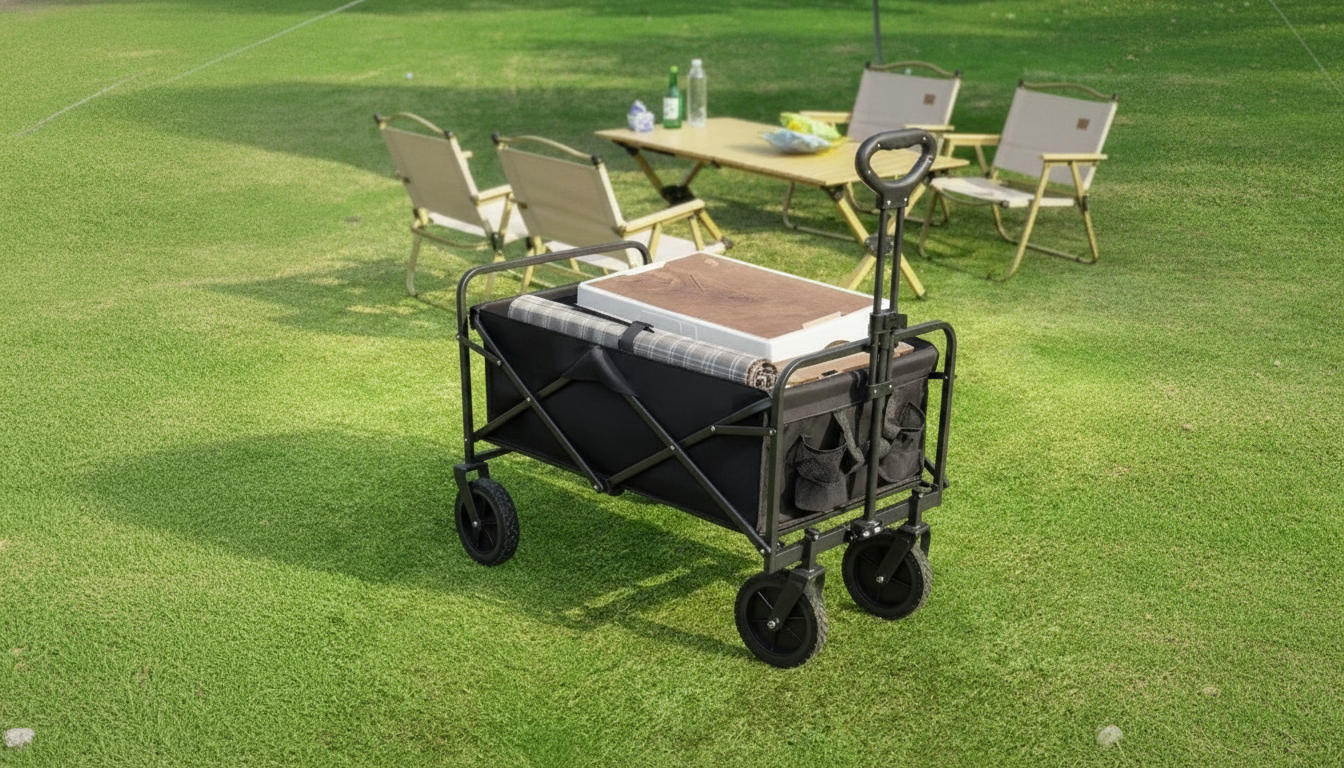
Collapsible Folding Outdoor Utility Wagon: A Large-Capacity Cart That Actually Gets Used
A collapsible utility wagon can replace multiple trips when hauling gear, groceries, sports equipment, or garden supplies. The best ones strike a practical balance: enough capacity for bulky loads, wheels that roll without drama, and a fold-and-store design that fits real storage spaces. When those basics are right, the wagon becomes a grab-and-go tool for pavement, grass, and packed dirt instead of an awkward “sometimes” purchase.
What This Wagon Is Built For
A large-capacity folding wagon shines anywhere you’d normally juggle bags, bins, and oversized items. Typical use cases include:
- Car-to-field hauling for sports days, tournaments, and tailgates
- Beach and park trips where bulky items (chairs, coolers, umbrellas) add up fast
- Camping setup and teardown runs between the vehicle and campsite
- Garden and yard transport for soil, mulch bags, tools, and watering cans
- Everyday utility: laundry loads, moving boxes, and big grocery runs
For day-to-day handling and safer movement of heavy items, it also helps to follow general material-handling guidance—especially when lifting items into and out of the wagon. Practical overviews like OSHA’s materials handling resources are a solid reference for safer routines.
OSHA — Safe Lifting and Material Handling (Overview)
Capacity and Real-World Load Planning
Capacity ratings are useful, but smart loading is what keeps a wagon stable, steerable, and durable. A few habits make a noticeable difference:
- Treat the stated capacity as a ceiling, not a default: frequent heavy loads are easier on the frame when kept below the maximum.
- Balance weight front-to-back to reduce handle strain and keep steering predictable.
- Stacking strategy matters: place dense items low (coolers, toolboxes) and lighter items on top to reduce tipping risk.
- Consider volume as well as weight: a large bed can be the difference between one trip and three, especially for chairs and folded canopies.
| Item Type | Best Placement | Why It Helps |
|---|---|---|
| Cooler / water jugs | Bottom center | Lowers center of gravity and improves stability |
| Chairs / canopy | Along sides | Keeps long items from shifting during turns |
| Sports gear bag | Top or corner | Easy access without unloading everything |
| Garden bags (soil/mulch) | Flat on bottom | Prevents tearing and reduces wobble |
| Fragile items | Top with padding | Minimizes crushing and vibration damage |
If you’re pulling the wagon around kids, pets, or crowded areas, tip-over awareness matters. CPSC’s general guidance on preventing tip-overs is a helpful mindset reminder: keep heavy items low, avoid unstable stacks, and slow down when turning.
CPSC — Tip-Over Prevention (General Safety Guidance)
Foldability and Storage Fit
Foldability is what separates a “nice idea” from a wagon you rely on weekly. The more steps and fiddling involved, the more likely it is to stay in the garage.
- A collapsible frame is most convenient when it can be folded quickly with minimal steps and stored upright or flat.
- Measure the storage spot before buying: trunk depth, closet width, and garage shelf height often decide whether a wagon is used daily or rarely.
- Look for a design that stays compact when folded so it can ride alongside other gear (strollers, tents, folding tables).
- A stable folded form is useful for transport—less sliding and less risk of pinched fingers during loading.
A practical rule: if it fits your most common vehicle (not just your biggest one), it’s more likely to come along for spontaneous plans like farmer’s markets, park meetups, and last-minute supply runs.
Wheels, Handling, and Terrain Performance
Wheels determine whether a wagon feels effortless or exhausting. Even a strong frame can be frustrating if the wheels fight you on your usual routes.
Durability That Matters Day to Day
Care, Safety, and Good Habits
Product Pick: Collapsible Folding Outdoor Utility Wagon
If the goal is fewer trips with less hassle, the Collapsible Folding Outdoor Utility Wagon – Large-Capacity Heavy-Duty Cart is built around the features that make a wagon genuinely useful: a roomy hauling bed for bulky loads and a compact fold that’s easier to store between outings.
| Feature | What to Look For | Why It Matters |
|---|---|---|
| Capacity approach | Plan frequent loads below the maximum | Improves stability and reduces long-term wear |
| Folded storage | Compact, easy-to-stow profile | Fits trunks/closets and encourages regular use |
| Terrain handling | Wheels suited to your common surfaces | Less pulling effort and fewer stalls |
| Everyday usability | Quick setup and cleanup | Saves time on outings and chores |
More In-Stock Finds Worth a Look
- 45000RPM Rechargeable Nail Drill Machine with 12 Bits & LCD Display for at-home nail care with adjustable speed control.
- No-Nausea Ride: The Ultimate Digital Guide to Beating Motion Sickness on the Road for practical travel strategies and routine planning.
- Smart Thrift: Unlocking Style Without Wasting Money – A Strategic Guide to Thrift Shopping for budgeting tips and smarter secondhand shopping.
FAQ
How much weight can a heavy-duty collapsible wagon carry safely?
Safe capacity depends on the model’s rated maximum, but frequent hauling is easier on the frame when loads stay below that ceiling. Keep weight balanced front-to-back and avoid tall, top-heavy stacks to reduce tipping and handle strain.
Does a folding utility wagon work on grass or sand?
It can, but results depend on wheel width and how heavy the load is. Grass and packed dirt are typically manageable, while loose sand often requires lighter loads and steady pulling to keep the wheels from sinking.
How should a collapsible wagon be cleaned and stored?
Shake out debris, wipe down surfaces, and let the wagon fully dry after any rain or damp grass. After beach trips, clear sand from wheels and joints, then store it out of direct sun to help extend fabric and hardware life.













Leave a comment