Pack Your Car for a Road Trip: Safe, Fast, No Repacking

Road-Trip Ready Packing: How to Load Your Car for Comfort, Safety, and Fast Stops
A long drive feels easier when the car is loaded with a plan: heavy items secured low, essentials within reach, and every stop optimized so the trunk doesn’t become a daily repack. Use the steps below to build a simple packing system that reduces clutter, prevents shifting cargo, and keeps the things needed most exactly where they belong.
Start with a packing plan that matches the route
Before anything goes in the car, match your packing to the actual trip. A quick route-based plan helps avoid the classic “just in case” pile that eats up space and makes items harder to find.
- List trip days, climates, and key activities (beach, hiking, city, snow) so you pack what you’ll use—no more, no less.
- Create a “must-access” group for the first 30 minutes of driving: water, sunglasses, toll pass, wipes, charging cable, and any meds.
- Decide what can be purchased on the road (snacks, extra water) versus what must be packed (prescriptions, specialty gear, pet items).
- Use one master checklist, then split it by person (clothes), by vehicle zone (cabin vs. trunk), and by time (day 1 vs. later).
If you want a ready-to-use checklist and packing layouts you can reuse each trip, Road-Trip Ready Packing: Ultimate Guide on How to Pack Your Car for a Long Trip – eBook organizes the process into simple, repeatable steps.
Use zones so everything has a home
“Zones” stop the slow creep of clutter. When each seat area and the trunk have a defined job, you’ll spend less time rummaging and more time driving.
Packing zones and what belongs where
| Zone | Best for | Avoid placing here |
|---|---|---|
| Driver seat area | Items used while driving (hands-free and safe): sunglasses, chargers, toll pass | Loose bottles, heavy bags, anything that can roll under pedals |
| Front passenger area | Documents, reservations, small first-aid pouch, wipes | Large coolers or bulky bins that block airbags or footwell |
| Back seat | Daily snacks, entertainment, jackets, kid/pet supplies | Hard objects that could become projectiles without restraints |
| Trunk (top layer) | Overnight bag, rain gear, roadside kit, small cooler | Very heavy items stacked high |
| Trunk (bottom layer) | Tool kit, extra fluids, dense gear, bulk supplies | Fragile items without padding |
| Roof rack/cargo box | Bulky but lighter gear: sleeping bags, coats, camp chairs | Dense/heavy loads that raise the center of gravity |
For roof boxes and racks, keep an eye on limits and handling. Adding weight up high changes stability, especially in crosswinds and during quick lane changes.
Load heavy items first and keep the car stable
The fastest way to make a car feel “tippy” is to stack dense gear high and far back. Instead, build a stable base and lock it in.
- Place the heaviest bins low and as close to the rear seatbacks as possible to reduce shifting.
- Balance weight left-to-right so steering, braking, and lane changes remain predictable.
- Keep the rear window as clear as possible for visibility; avoid stacking to the headliner.
- Secure cargo with straps or a cargo net so hard items don’t move during sudden stops.
- Confirm payload capacity: passengers + cargo + accessories should stay within limits.
Before departure, do a tire-pressure check and adjust for your load. Tire safety guidance from NHTSA — Tire Safety is a helpful reference for trip prep.
Pack for fast overnights and easier mornings
Overnight stops are where good packing pays off. The goal: grab only what you need, leave the rest packed, and avoid the “hotel room explosion.”
- Use one “overnight bag” per person (or per couple) with toiletries, chargers, and next-day clothes.
- Keep overnight bags in the trunk’s top layer or just inside the hatch for quick access.
- Group shower items in a single waterproof pouch; add a small laundry bag to isolate dirty clothes.
- If you’re moving between hotels, aim for a 2-minute unload: overnight bags + valuables only.
Keep essentials reachable without creating cabin clutter
Build a road-ready safety and comfort kit
A dedicated kit prevents last-minute stops for basics and helps you handle minor issues without stress. The CDC — Travel: Road Travel page is a solid reminder list for general road safety.
For additional road trip prep tips (including pre-drive checks and safety planning), AAA — Road Trip Tips is a useful resource.
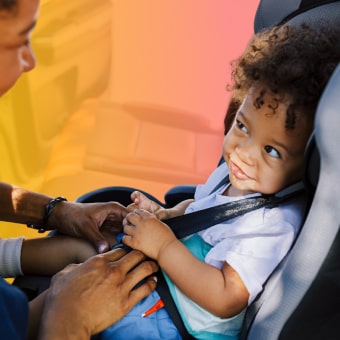
Special packing notes for kids, pets, and motion sensitivity
If motion sickness is a recurring issue, No-Nausea Ride: The Ultimate Digital Guide to Beating Motion Sickness on the Road covers practical strategies for seating, airflow, timing, and on-the-go routines.
A step-by-step packing order that prevents repacking
Turn your plan into a repeatable system
To make the system even faster, keep a saved checklist and templates on hand with Road-Trip Ready Packing: Ultimate Guide on How to Pack Your Car for a Long Trip – eBook.
FAQ
What’s the safest way to pack a car trunk for a long trip?
Put the heaviest items low and as close to the rear seatbacks as possible, balance weight side-to-side, and avoid stacking high enough to block visibility. Use straps or a cargo net so items can’t shift forward during hard braking.
How do you pack so you don’t have to unload the whole trunk at every stop?
Create zones and reserve the trunk’s top layer for daily-access items like overnight bags, rain gear, and a small cooler. Keep rarely used gear in deep storage on the bottom so quick stops stay quick.
Where should a cooler go in a packed car?
Place it where it can be reached safely without unloading—often in the trunk’s top layer near the hatch, or on the back seat floor if it doesn’t interfere with passengers or airbags. Keep it upright and stabilized so it can’t tip or slide.













Leave a comment