20 Microfiber Cloths for Streak-Free Glass & Kitchen
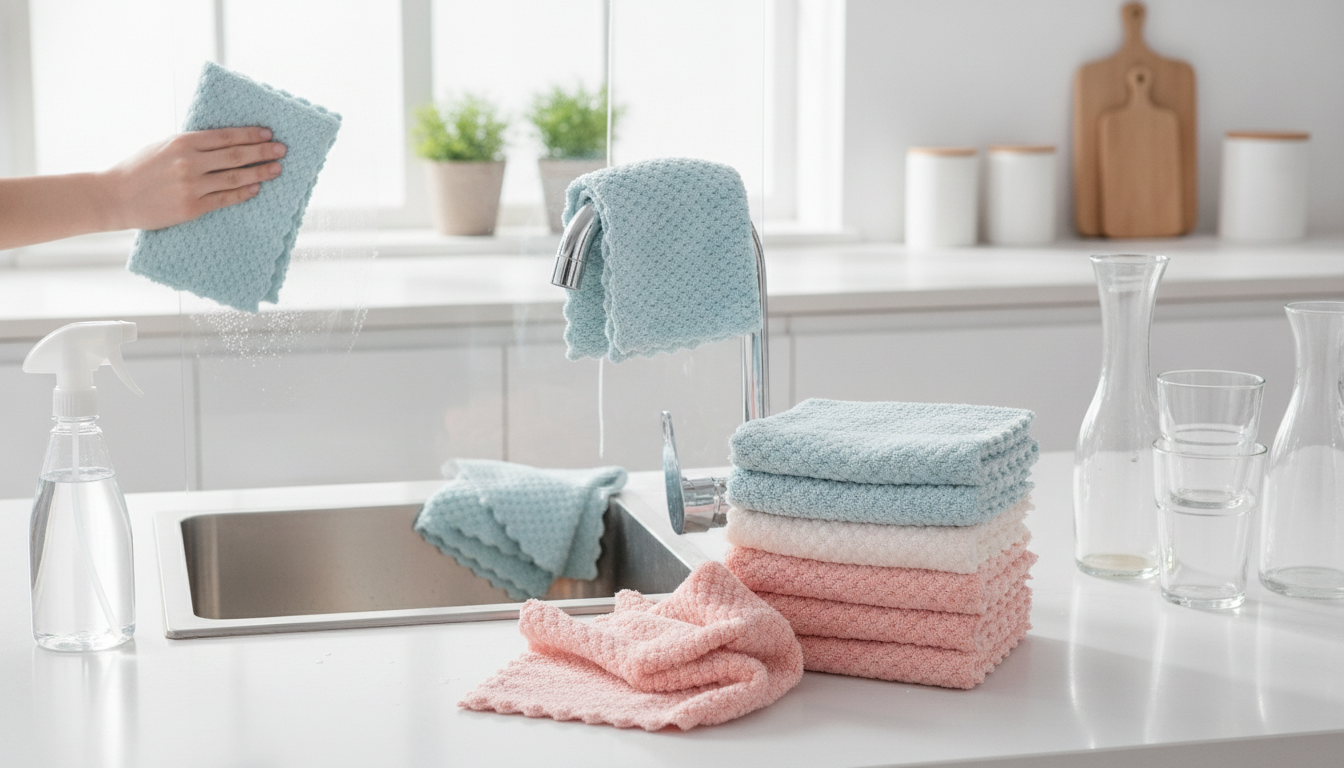
20 Microfiber Cleaning Cloths for Kitchen, Window, and Glass: A Practical Guide to Streak-Free Cleaning
Microfiber cloths are a simple upgrade that can make everyday cleaning faster, less wasteful, and more consistent—especially on glass, mirrors, and stainless steel where streaks show immediately. With a larger set, it’s easier to keep cloths separated by task, rotate fresh ones in when a cloth gets oily, and cut down on paper towel use for daily wipe-downs. Below is a practical breakdown of what makes microfiber work, where a 20-pack shines, and the habits that help keep results clear and streak-free.
What makes microfiber different from a regular rag
Microfiber is made from very fine synthetic fibers (typically polyester and polyamide) that create a dense surface area. That density helps the cloth “grab” dust, crumbs, and residue instead of pushing them around.
- Dry use helps trap dust, hair, and fine particles—great for quick dusting or wiping electronics (with minimal pressure).
- Damp use improves pickup of oily smudges and stuck-on grime—ideal for kitchen counters, cabinet fronts, and appliance exteriors.
- On glass and mirrors, microfiber often reduces streaking when you use minimal moisture and finish with a clean, dry buffing pass.
- Reusable by design, microfiber cloths can reduce paper towel use for everyday tasks, which aligns with greener cleaning habits recommended by programs like EPA Safer Choice.
Where a 20-pack is most useful around the home
A single cloth can do a lot—but a larger bundle makes cleaning smoother because you can dedicate cloths to specific rooms and avoid re-spreading grease or bathroom residue onto kitchen surfaces.
- Kitchen: quick wipe-downs for counters, cabinet fronts, stovetops, and appliance exteriors.
- Windows and glass: interior panes, sliding doors, mirrors, and glass tabletops.
- Bathroom: sink fixtures, shower glass, and spot-cleaning around the vanity (keep these separate from kitchen cloths).
- Dusting: baseboards, shelves, blinds, and electronics (lightly damp cloth, then dry buff if needed).
- Car interior: dashboards and screens (use a clean, dedicated cloth and minimal moisture).
For households that clean frequently, it’s also easier to follow public-health guidance to clean surfaces routinely, and disinfect when appropriate for your situation. For reference, see the CDC guidance on cleaning and disinfecting.
How to get streak-free results on windows, mirrors, and glass
Most “microfiber streaks” come from residue (oil, detergent, softener) or too much liquid—not from the glass itself. A simple, repeatable method helps keep glass consistently clear.
- Start with a clean cloth: residue from prior tasks is one of the most common causes of streaks on glass.
- Use the two-cloth method: one slightly damp cloth to clean, then a second dry cloth to buff clear.
- Use minimal liquid: over-wetting can spread grime and leave drying marks; lightly mist the surface rather than soaking the cloth.
- Wipe pattern: vertical strokes on one side of a window and horizontal strokes on the other can help you identify where streaks remain.
- Finish edges and corners: fingerprints and buildup often collect along frames; fold the cloth to a tight edge for detail work.
Extra tip for mirrors: if you’re seeing haze, do one final pass with a completely dry cloth and lighter pressure than you think you need. The goal is buffing, not scrubbing.
Simple system for keeping cloths clean and task-separated
A 20-pack makes it realistic to separate cloths by zone and keep your “glass-only” cloths truly clean. This prevents cross-contamination (like bathroom residue on kitchen counters) and helps your glass cloths stay streak-free longer.
Suggested cloth rotation by task
| Task | Best cloth condition | Quick tip |
|---|---|---|
| Mirrors & glass tables | Clean + dry (buffing) or lightly damp (cleaning) | Use a second dry cloth to finish |
| Kitchen counters | Damp | Rinse cloth, wring well, then wipe |
| Stainless steel | Damp then dry | Wipe with the grain, then buff |
| Dusting shelves/blinds | Dry or barely damp | Shake outside before washing |
| Bathroom fixtures | Damp | Keep separate from kitchen cloths |
Care and washing: keeping microfiber absorbent and effective
Microfiber care checklist
| Do | Avoid |
|---|---|
| Wash with mild detergent | Fabric softener or dryer sheets |
| Use cool/warm water | Very hot water when possible |
| Air-dry or tumble dry low | High-heat drying |
| Separate from lint-heavy cotton loads | Washing with fuzzy towels/blankets |
| Rinse gritty particles out first | Using a dirty cloth on glass or screens |
When to replace a microfiber cloth (and when it still has life left)
Product options in stock
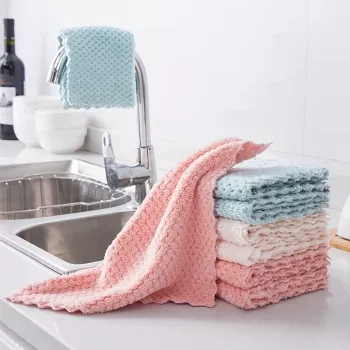
- 20Pcs Microfiber Cleaning Cloths – Reusable Kitchen, Window & Glass Cleaning Towels: a practical 20-cloth bundle that makes it easy to keep separate cloths for kitchen wipe-downs, bathroom cleanup, glass-only buffing, and general dusting.
- Smart Thrift: Unlocking Style Without Wasting Money – A Strategic Guide to Thrift Shopping: a budget-focused read that pairs well with building simple, low-waste household routines (including reusable cleaning essentials).
FAQ
Can microfiber clean glass without glass cleaner?
Yes—if the cloth is clean, water alone is often enough for lightly soiled glass. For greasy fingerprints, use a very light mist of water (or a small amount of cleaner) and finish with a second dry cloth to buff clear.
Why does my microfiber cloth leave streaks on mirrors?
Common causes include detergent or softener residue, using a cloth that’s too wet, or a cloth overloaded with oils from prior jobs. Switch to the two-cloth method (damp to clean, dry to buff) and wash microfiber without fabric softener or dryer sheets.
How should microfiber cloths be washed to keep them absorbent?
Wash with mild detergent in cool or warm water, skip fabric softener and dryer sheets, and avoid high heat. For best results on glass, wash microfiber separately from lint-heavy cotton and pre-rinse gritty debris first.












Leave a comment