4K WiFi Body Camera: Night Vision, Motion Detection Tips
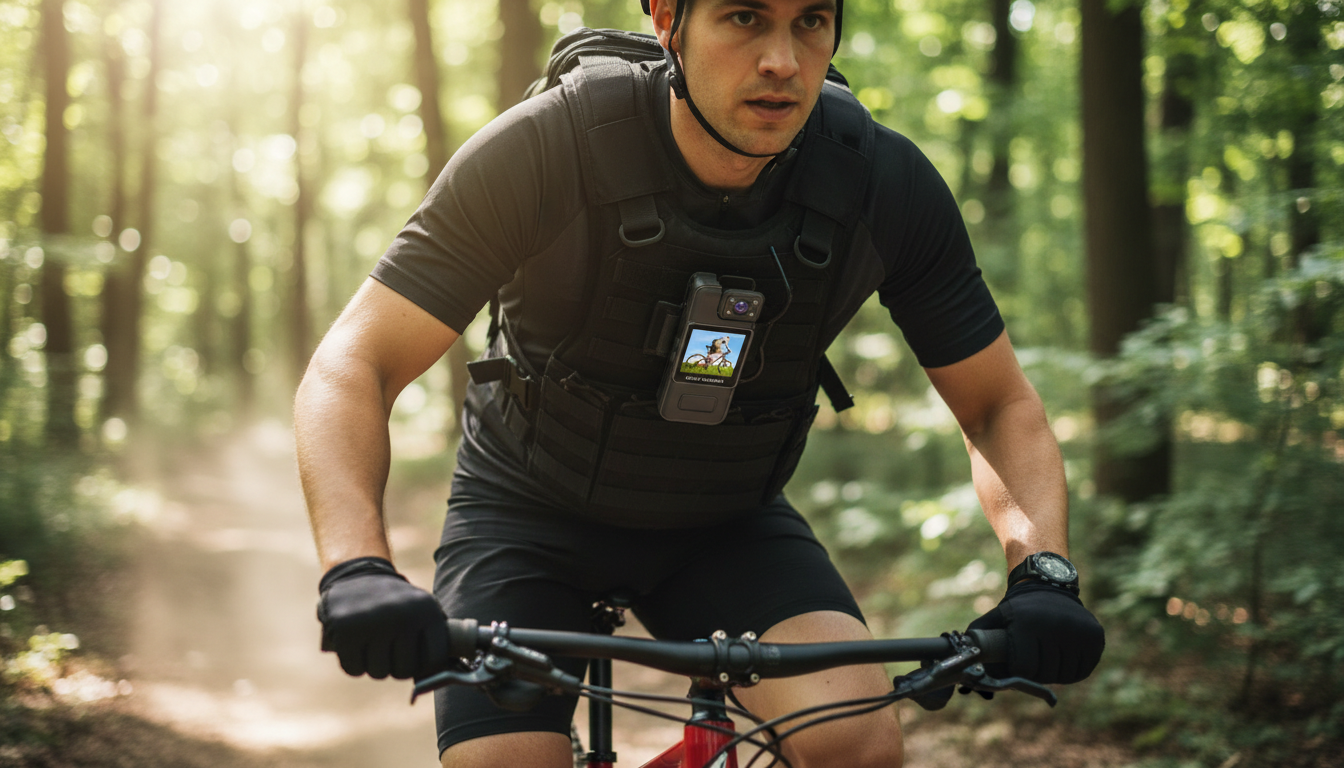
Ultra HD 4K WiFi Body Cameras: Clear Video, Low-Light Coverage, and Smarter Capture
A compact body camera can add a reliable layer of documentation for work shifts, travel, or home routines—especially when lighting changes quickly or activity happens unexpectedly. A well-chosen 4K WiFi body camera with night vision and motion detection helps capture clearer details, stay useful after dark, and reduce missed moments when something happens fast. Below is a practical guide to features that matter, setup steps that prevent frustrating footage, and responsible recording basics. For more guidance, see GardePro A80 4K WiFi Review and Ratings.
What This Kind of Body Camera Is Built to Do
Modern mini body cameras are designed for everyday documentation without needing to hold a phone or constantly manage settings. For further reading, see MUSICOZY WiFi Body Camera 2.5K Mini Body Cam with Audio ….
- Record clear, detailed video for incident documentation, deliveries, site visits, or personal safety
- Stay usable after dark with infrared-style night vision support (best for close-to-mid range scenes)
- Reduce missed moments by using motion detection to start/flag recording when activity is detected
- Enable easier review and sharing through WiFi transfer (often faster than removing storage each time)
Core Features That Matter Day to Night
“4K + night vision + motion detection” sounds straightforward, but real-world performance depends on how each feature behaves in the environments where the camera will be used.
- Ultra HD video: 4K capture can help preserve fine details like faces, labels, or room layouts; confirm available modes and frame rates in the product listing.
- Night vision: Look for consistent exposure in low light and a clean image (less grain) at typical indoor/outdoor distances.
- Motion detection: Useful for stationary monitoring and quick events; test sensitivity to avoid false triggers from shadows, headlights, or pets.
- Wide-angle view: A wider field of view helps reduce blind spots when worn on a chest clip or lanyard.
- Audio pickup: Verify that speech is understandable at typical conversation distance and in noisy environments.
Quick Setup Checklist for Reliable Recording
A short setup routine goes a long way toward avoiding “it didn’t record” moments.
- Charge fully before first use and confirm the camera powers on/off consistently.
- Set date/time so footage is easier to sort and more credible when needed.
- Choose a default resolution setting that balances clarity and storage needs.
- Test night mode in the exact environment where it will be used (hallway, parking lot, storefront, vehicle cabin).
- Run a short motion-detection trial: walk toward/away from the camera and check whether it triggers at the right moment.
- Do a real wear test: clip placement should be stable, centered, and not blocked by jackets, bags, or ID badges.
Feature Checklist and Why It Matters
Use this checklist to evaluate whether settings and performance match the intended use (on-body recording vs. stationary monitoring). When a detail is unknown, confirm it on the product page before relying on it for critical recording.
| Feature | Why it matters | What to verify during a test |
|---|---|---|
| 4K video modes | Improves readability of fine details and digital zoom results | Clarity of faces/text in daylight and indoor lighting; smooth playback |
| Night vision | Captures scenes after dark where phone cameras struggle | Visibility range, glare handling, and whether subjects are recognizable |
| Motion detection | Reduces manual start/stop and highlights key moments | Trigger reliability, sensitivity control, and false positives |
| WiFi transfer | Faster file access for review, sharing, or backup | Connection stability and transfer time for short vs. longer clips |
| Mounting stability | Prevents shaky footage and blocked views | Clip strength, angle control, and comfort over a full shift |
| Audio clarity | Helps interpret interactions and context | Speech intelligibility in quiet and noisy settings |
Best Uses: Work, Travel, Home, and Stationary Monitoring
A 4K WiFi body camera can fit multiple routines, but the best results come from matching the mode to the scenario.
- Delivery and field work: Document drop-offs, access issues, and customer interactions while keeping hands free.
- Security rounds and site walks: Motion detection can help capture unexpected movement without constant manual recording.
- Travel and rideshare: Record cabin interactions and late-night stops where lighting is inconsistent.
- Home entryways/garages: Set the camera in a stable position to monitor short windows of activity (test detection angles first).
- Training and documentation: Record step-by-step procedures or before/after conditions for maintenance or inspections.
Storage, Battery, and File Handling Habits That Prevent Headaches
Privacy and Legal Basics to Consider Before Recording
Product Options (In Stock)
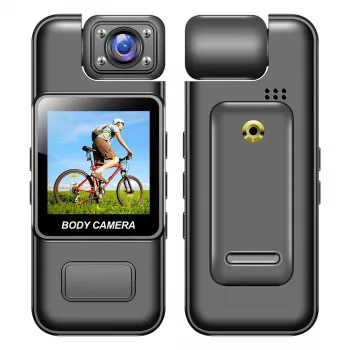
- Ultra HD 4K WiFi Body Camera with Night Vision & Motion Detection — built for on-body recording or short stationary checks when placed at a stable angle and tested for detection range.
- No-Nausea Ride: The Ultimate Digital Guide to Beating Motion Sickness on the Road — a helpful add-on for frequent travelers or rideshare passengers who want a more comfortable routine on long drives.
FAQ
How well does night vision work on a small body camera?
Night vision on compact body cameras typically performs best at close-to-mid range, such as indoor hallways, entryways, and vehicle cabins. Bright reflective surfaces can cause glare, and rain or fog can reduce clarity, so it’s worth testing in the exact lighting and distance where the camera will be used.
Does motion detection mean it records only when someone moves?
Motion detection usually triggers recording, flags an event, or starts capturing when movement crosses a threshold—depending on the camera’s modes. Sensitivity settings matter: too high can cause false triggers from shadows or headlights, while too low can miss quick activity.
Is it legal to record audio and video with a body camera?
Legality depends on where the recording happens, and audio consent requirements can be stricter than video. Check local regulations and workplace policies, and avoid recording in places where people reasonably expect privacy.













Leave a comment