Retro A5 Leather Notebook: 96 Sheets for Lists & Diary
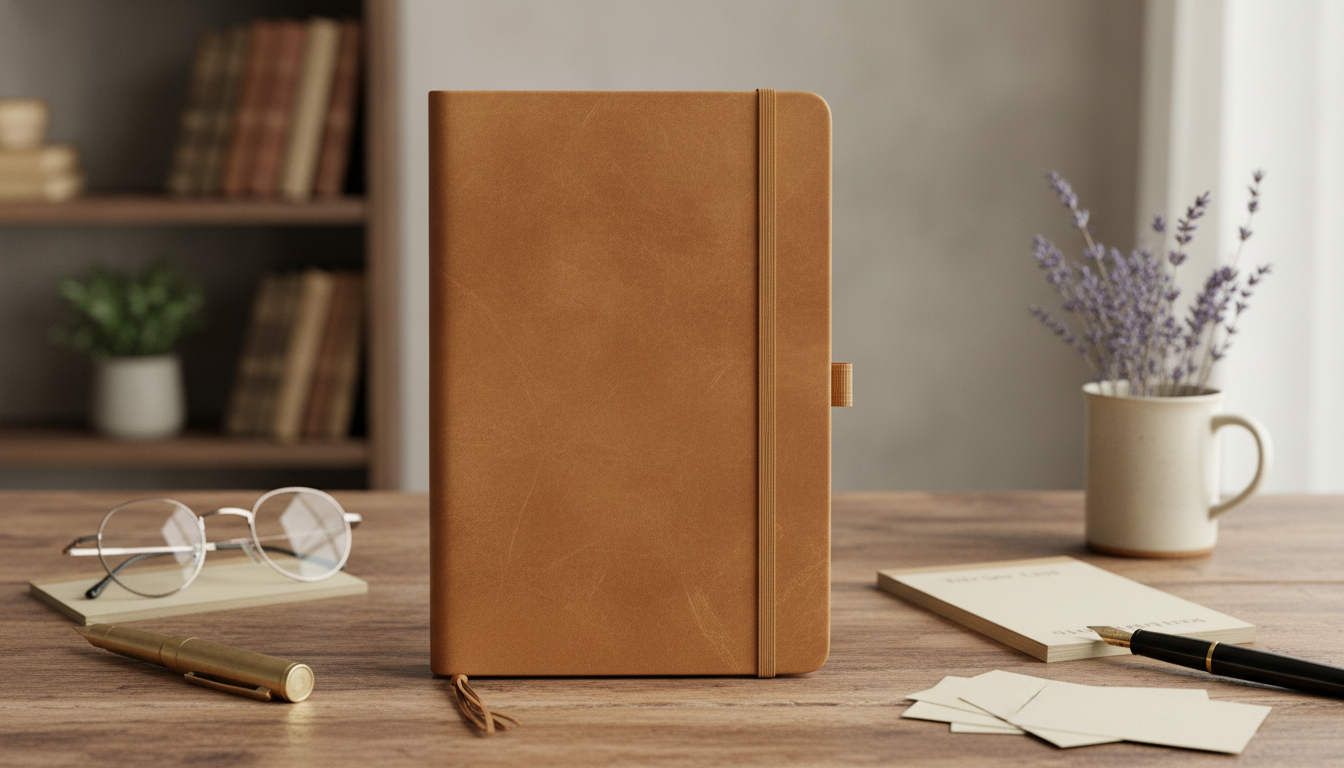
Retro A5 Leather Notebook with 96 Sheets – To‑Do Lists, Diary Notes, and Everyday Memos
A compact A5 notebook that feels classic and works hard: a leather-look cover for durability, 96 sheets for steady daily use, and a simple format that fits to‑do lists, quick memos, and longer diary entries. Whether it lives on your desk, rides in a backpack, or stays close for daily check-ins, this style of notebook makes it easier to keep plans, thoughts, and reminders in one reliable place. For more guidance, see Spirax A4 To Do Notebook 140 Pages Pack of 5 – IMODEV.
What You Get at a Glance
- A5 size for easy bag carry and comfortable desk writing
- 96 sheets for a practical balance of thickness and portability
- Leather-style cover for a retro look and added protection in daily handling
- Flexible use: lists, planning, journaling, meeting notes, and reminders
If you’re comparing sizes, A5 is a widely used standard that splits the difference between “pocketable” and “roomy.” It’s defined by the ISO paper size system (ISO 216), and many notebook brands treat A5 as a go-to everyday format (Leuchtturm1917’s format overview). For further reading, see Leather Notebook Covers Archives.
Design Details That Matter Day to Day
Cover feel and structure
A leather-style outer layer gives the notebook a more finished look and a bit of extra resilience against daily friction—sliding in and out of a tote, stacking under a laptop, or moving between classrooms and meeting rooms. A firmer cover also helps reduce dog-eared corners and keeps pages feeling “supported” when you’re writing without a hard surface.
A5 footprint: small enough to travel, big enough to think
A5 offers enough line length for full sentences, multi-step task lists, and quick sketches, while still fitting most backpacks, work bags, and many larger purses. It’s a comfortable compromise for people who dislike oversized notebooks but still want breathing room on the page.
Page count planning: 96 sheets without bulk
With 96 sheets, you can write regularly without the notebook turning into a brick. It’s a good “use it up” size—substantial enough for consistency, not so huge that it takes forever to finish. That matters if you like closing out a notebook each season, each semester, or per project cycle.
Retro styling that doesn’t feel disposable
The vintage-inspired look works in professional settings, study setups, and at-home journaling corners. It also makes the notebook an easy gift because it feels intentional—more like a personal tool than a throwaway pad.
Ways to Use It: To‑Do Lists, Diary Pages, and Quick Memos
Set up a simple to‑do list system
Use the first 2–4 pages as a mini index. Then run a one-page-per-day rhythm: date at the top, “Top 3 priorities,” and a short checklist below. Leave two lines at the bottom for an end-of-day wrap-up (what got done, what moves to tomorrow). This keeps your planning realistic and prevents your list from turning into an endless scroll.
Build a diary routine you can actually maintain
For nightly journaling, use a lightweight template that doesn’t require perfect prose. A quick “high/low/learned” set of bullets keeps entries consistent even on busy days, while still capturing meaningful detail over time.
Turn meeting and class notes into follow-through
Split each page into two columns: notes on the left, actions/questions on the right. This keeps tasks from getting buried in paragraphs and makes it faster to scan later.
Track projects without a complicated system
Give each project one spread: goal, key dates, milestones, next actions, and a running log. When you return to it after a week, you’ll have instant context—what matters, what’s next, and what changed.
Offload errands and life admin
Keep recurring lists (groceries, calls to make, subscriptions to review, “things to bring next time”) to reduce mental clutter. A notebook shines here because it’s quick and doesn’t depend on battery life or app menus.
| Use case | Quick layout | Best for |
|---|---|---|
| Daily to‑do | Top 3 priorities + task list + end-of-day check | Busy schedules and clear daily wins |
| Diary entry | Date + 8–12 lines + 3 bullet reflections | Consistency without overthinking |
| Meeting notes | Notes on left, actions on right | Turning notes into follow-through |
| Project page | Goal, milestones, next actions, log | Longer tasks and multi-step planning |
Who This Notebook Fits Best
Paper and Pen Pairing Tips
Care and Longevity
Product Option Available Now
| Product | Price | Availability |
|---|---|---|
| Retro A5 Leather Notebook with 96 Sheets – To Do List, Diary & Memo Book | $8.51 | In stock |
- Smart Thrift: Unlocking Style Without Wasting Money – A Strategic Guide to Thrift Shopping (helpful if you’re planning wardrobes, budgets, and shopping lists on paper)
- 45000RPM Rechargeable Nail Drill Machine with 12 Bits & LCD Display (a solid add-on for self-care routines you might track with appointments and notes)
FAQ
Is A5 a good size for both planning and journaling?
Yes—A5 balances portability and writing space, so it works for daily task lists, meeting notes, and longer reflections without feeling oversized in a bag or on a desk.
How many days can 96 sheets last for daily notes?
If you use one page per day, 96 sheets can cover about 96 days. If you use a half-page per day, it can last around 192 days, while longer journaling sessions will shorten that timeline.
How can pages be organized for to‑do lists and diary entries in the same notebook?
Use the front pages for an index and to-do lists, the middle for dated daily logs, and the back for reference (contacts, routines, recurring lists). Simple symbols or two-color writing also helps separate tasks from reflections at a glance.














Leave a comment