Skin Cycling Routine: Easy 4-Night Plan for Glow
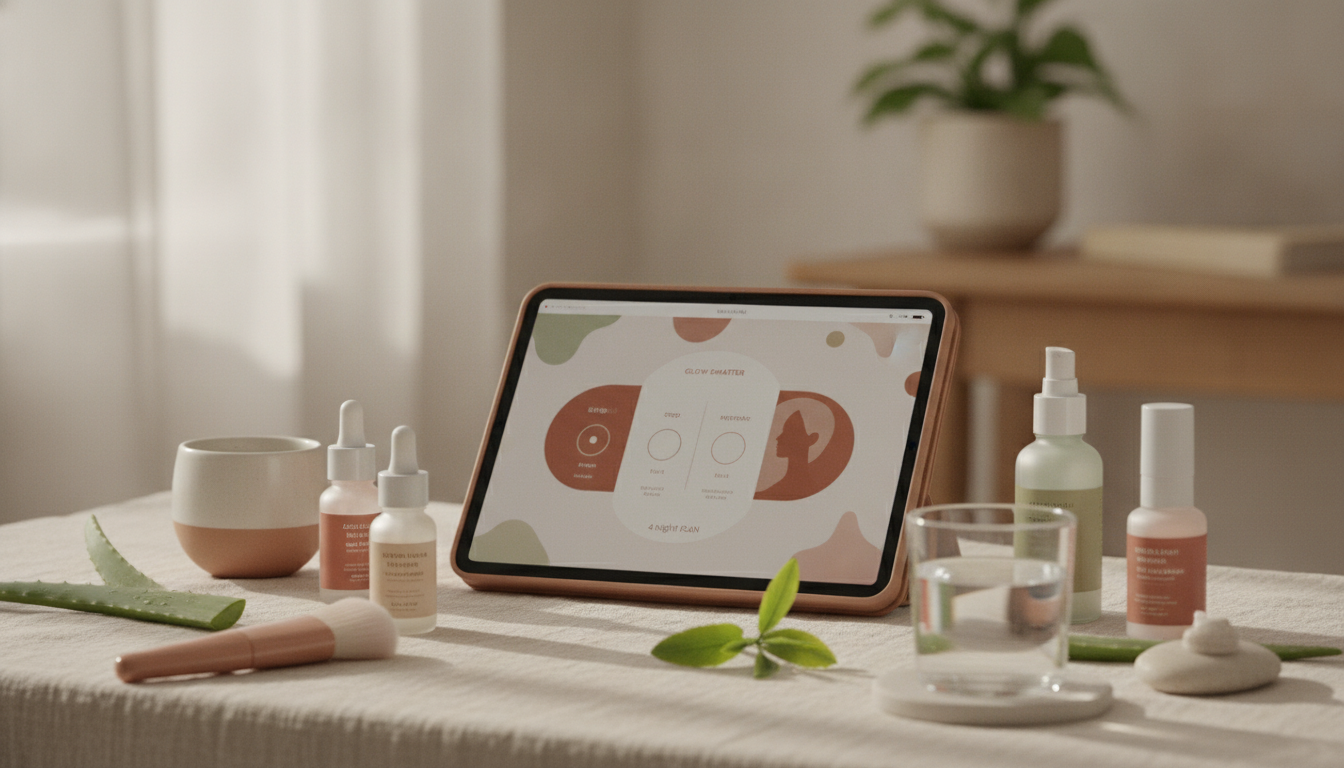
Glow Smarter With Skin Cycling: A Simple 4-Night Routine for Barrier Repair and Long-Term Skin Health
Skin cycling is a structured way to use powerful actives without overwhelming the skin barrier. By rotating exfoliation and retinoids with dedicated recovery nights, it supports smoother texture, fewer flare-ups from overuse, and a routine that’s easier to stick with. The goal isn’t to “do more”—it’s to do what your skin can tolerate consistently, then let time do the heavy lifting. For more guidance, see A step-by-step guide on how to ‘skin cycle’ | Ohio State Health ….
What Skin Cycling Is (and Why It Helps Beginners)
Skin cycling is a repeating schedule that alternates active nights (like exfoliation or retinoids) with recovery nights (hydration and barrier support). For beginners, this pacing helps reduce common pitfalls: stacking too many actives, ramping up frequency too quickly, and neglecting moisturization until irritation shows up.
It’s especially useful for anyone new to acids or retinoids, prone to sensitivity, or stuck in a frustrating loop of dryness plus breakouts from over-exfoliation. And it’s not a rigid rulebook—the “cycle” is simply a starting framework you can stretch (more recovery nights) or condense (only once skin is truly comfortable).
The 4-Night Skin Cycle at a Glance
In the classic beginner rhythm, Night 1 is gentle exfoliation, Night 2 is retinoid, and Nights 3–4 are recovery. Consistency matters more than intensity; a mild routine repeated reliably typically outperforms sporadic “strong” nights that leave skin inflamed.
| Night | Goal | What to Use | What to Avoid |
|---|---|---|---|
| Night 1: Exfoliation | Smooth and clear buildup | Gentle chemical exfoliant (AHA or BHA), moisturizer | Retinoids, multiple acids, harsh scrubs |
| Night 2: Retinoid | Support turnover and refine tone | Retinoid (start low), moisturizer (sandwich method if needed) | Acids, benzoyl peroxide (unless prescribed), extra actives |
| Night 3: Recovery | Calm and hydrate | Barrier moisturizer, hydrating serum, soothing ingredients | Acids, retinoids, strong vitamin C, fragranced irritants |
| Night 4: Recovery | Rebuild and strengthen | Moisturizer + occlusive if dry, ceramides/lipids | Peels, high-strength actives, over-cleansing |
Night 1: Exfoliation Without Overdoing It
Choose one exfoliant type at a time. AHAs (like lactic or glycolic acid) focus on surface texture and dullness, while BHAs (like salicylic acid) can be better for clogged pores and oilier areas. For many beginners, exfoliating once per 4-night cycle is enough—especially if you’re also starting a retinoid.
Keep the routine simple: cleanse → exfoliant → moisturizer. If your barrier already feels compromised (stinging with water, persistent tightness, peeling, or redness that lingers), skip the exfoliant and treat it like a recovery night instead. Burning, sudden sensitivity to “safe” products, or redness that doesn’t calm down are common signs you’ve pushed too hard.
Night 2: Retinoid Night for Long-Term Results
Retinoids support cell turnover and can gradually improve the look of texture, acne, and uneven tone. The most sustainable approach is “low and slow”: start with a lower-strength option and aim for consistency rather than jumping up in strength and stopping because irritation hits.
If your skin is sensitive, use a buffer by applying moisturizer first, then retinoid, then moisturizer again (the “sandwich” method). Some dryness or mild flaking can happen during the adjustment phase—reducing frequency is usually more helpful than quitting entirely. To learn the basics of benefits and smart use, the American Academy of Dermatology Association’s retinoid guidance is a solid reference.
Also, don’t skip daytime sunscreen. Retinoid routines tend to be more comfortable and effective when skin is protected from daily UV exposure.
Nights 3–4: Barrier Recovery That Actually Feels Restorative
Recovery nights are where tolerance is built. Think in layers: hydration (humectants like glycerin), barrier lipids (ceramides/fatty acids/cholesterol), and a seal (an occlusive layer if you’re dry). Soothing ingredients like panthenol, allantoin, colloidal oatmeal, or centella can help reduce that “raw” feeling some people get when they start actives.
How to Customize Skin Cycling by Skin Concern
Acne-prone
Dry or sensitive
Hyperpigmentation
Rosacea-leaning or reactive
If you use prescription treatments
Common Mistakes That Derail the Cycle
A Simple Way to Stay Consistent: A Done-for-You 4-Night Plan
A clear nightly structure reduces decision fatigue: you know what category of product to use each night and what to skip. For a ready-made routine rhythm you can repeat or customize, see Glow Smarter With Skin Cycling – 4-Night Skin Cycle eBook (Digital Download).
And if you like pairing skincare nights with low-effort self-care, an at-home manicure can fit nicely on recovery nights (when you’re not rushing to layer actives). The 45000RPM Rechargeable Nail Drill Machine with 12 Bits & LCD Display can help keep nails tidy between salon visits.
FAQ
How long does it take to see results from skin cycling?
Smoother feel can show up within a few weeks, while acne, tone, and texture changes often take 6–12 weeks. Staying consistent and wearing sunscreen daily makes the biggest difference in both comfort and results.
Can skin cycling cause purging?
Retinoids can speed up cell turnover, which may bring existing clogs to the surface in the areas you typically break out. Purging is usually temporary; irritation looks more like burning, widespread bumps, persistent redness, or worsening sensitivity.
What if my skin feels irritated during the cycle?
Pause actives and switch to a few recovery nights with gentle cleansing and moisturizer until skin feels comfortable again. Restart with lower strength or less frequent active nights, and seek medical guidance if reactions are severe or persistent.















Leave a comment