Soft Focus Eyes Routine: Smooth Fine Lines Daily
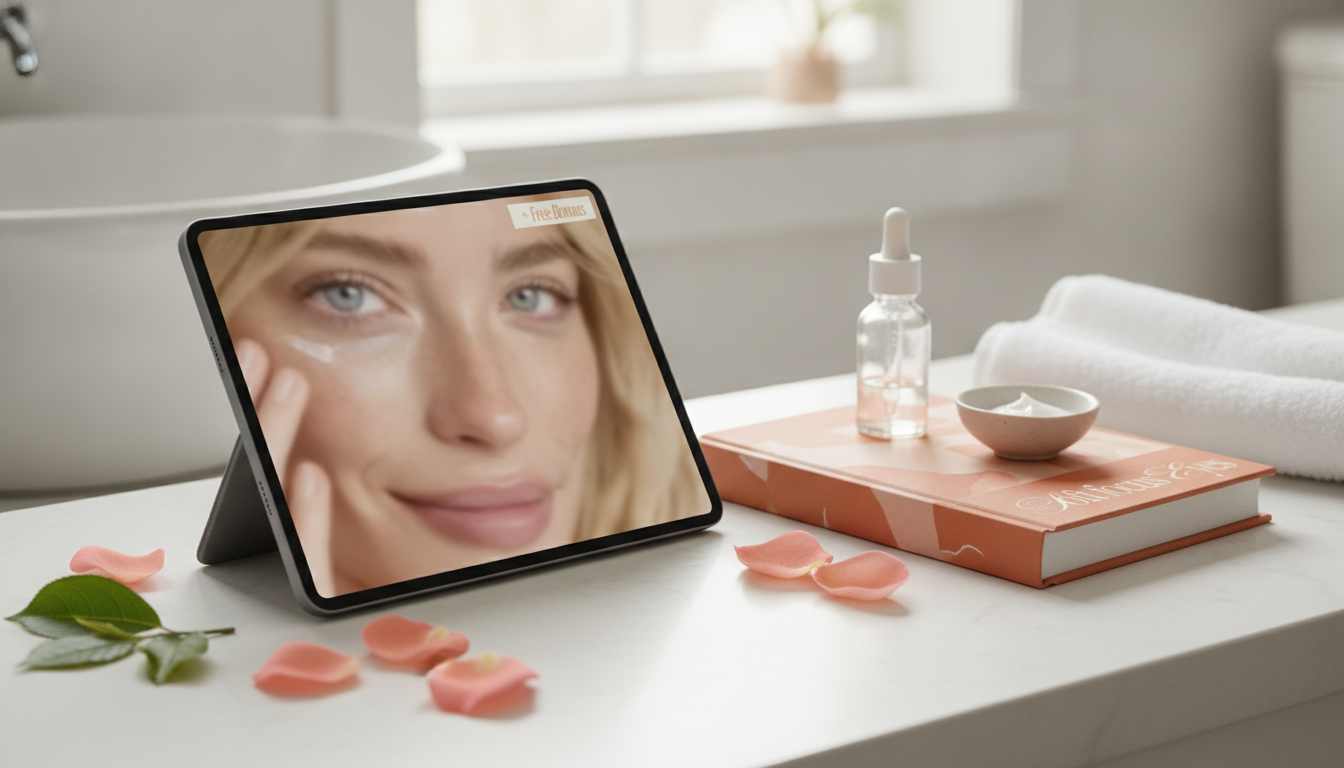
Soft Focus Eyes: A Practical Daily Routine to Soften Fine Lines and Refresh the Eye Area
Fine lines around the eyes tend to show up early because the skin is thinner, constantly moving, and easily dehydrated. The most noticeable improvements usually come from a consistent routine: gentle cleansing, targeted ingredients, daily sun protection, smart lifestyle tweaks, and habits that reduce rubbing and strain.
Why the eye area creases so easily
The skin around the eyes has a different “job description” than the rest of the face, so it behaves differently—especially when it comes to texture and fine lines.
- Thin skin + fewer oil glands: it dehydrates faster and shows texture sooner than cheeks or forehead.
- Constant motion: blinking, squinting, smiling, and screen-related eye strain create repetitive folding.
- UV exposure: cumulative sun damage breaks down collagen and elastin, increasing fine lines and uneven texture.
- Dehydration vs. true lines: dryness can exaggerate “crinkling,” while collagen loss and repeated folding create deeper, more permanent lines.
- Common aggravators: rubbing eyes, harsh cleansers, fragranced products, poorly fitted makeup removal habits, and sleeping face-down.
Daily eye-care habits that make the biggest visible difference
Small changes done every day beat “intense” routines that cause irritation. Think: hydration, low-friction application, and reliable sun protection.
- Morning baseline: cleanse gently (no squeaky-clean feel), apply a humectant-rich layer, then seal with a lightweight moisturizer.
- Always finish with sunscreen: choose a broad-spectrum SPF 30+ that is comfortable around the eyes to reduce skipping; consider mineral formulas if stinging is common.
- Reduce friction: pat product in with the ring finger; avoid dragging skin during application and makeup removal.
- Makeup removal: dissolve long-wear makeup with an oil/balm first, then follow with a mild cleanser—minimizes tugging.
- Manage squint triggers: update prescription lenses, use sunglasses outdoors, and increase screen font size to reduce repetitive squinting.
- Sleep strategy: aim for consistent sleep; consider a silk pillowcase and side/back sleeping to reduce compression lines.
- Hydration basics: adequate fluid intake and balanced electrolytes can help dryness-driven creasing look less pronounced.
Simple routine map for the eye area (daily + weekly)
| Timing | Step | What to look for | Common mistake to avoid |
|---|---|---|---|
| AM | Gentle cleanse or rinse | Non-stripping, fragrance-light | Hot water and aggressive rubbing |
| AM | Hydration layer | Glycerin, hyaluronic acid, panthenol | Applying on dry skin only; apply to slightly damp skin for better slip |
| AM | Moisturize | Ceramides, squalane, peptides | Too much product that migrates into eyes and causes irritation |
| AM | Sunscreen | Broad-spectrum SPF 30+, comfortable finish | Skipping the eyelids/outer corners where lines often deepen |
| PM | Remove makeup (if worn) | Oil/balm + gentle wipe-off | Pulling lashes/skin to “scrub” mascara off |
| PM | Targeted treatment (optional) | Retinoid (low strength), vitamin C, niacinamide | Starting too strong or too often; irritation worsens texture |
| PM | Seal and soothe | Ceramides, petrolatum dab for very dry areas | Layering too many actives at once |
| Weekly | Review and adjust | Check for stinging, redness, dryness | Ignoring early irritation signs and “pushing through” |
Ingredients that support smoother-looking skin around the eyes
The best formulas for the eye area tend to be boring—in a good way: hydrating, barrier-friendly, and consistently tolerated.
- Humectants (instant plump look): glycerin, hyaluronic acid, panthenol—help bind water and reduce dryness-emphasized crinkling.
- Barrier helpers (less irritation, better texture): ceramides, cholesterol, fatty acids, squalane—support the lipid barrier so skin looks more even.
- Retinoids (long-game for fine lines): low-strength retinol/retinal can improve the look of fine lines over time; start 2–3 nights/week and increase slowly.
- Vitamin C (brightness + antioxidant support): can help with dullness and uneven tone; choose gentler derivatives if sensitivity is an issue.
- Niacinamide (calming + barrier support): helps reduce irritation and supports more resilient skin over time.
- Peptides (supportive, generally well-tolerated): can complement moisturizing routines for a smoother appearance.
- Caffeine (temporary de-puff effect): useful for morning swelling; results are cosmetic and short-lived.
- What to be cautious with: high-fragrance formulas, strong exfoliating acids too close to the lash line, and products that repeatedly sting—ongoing irritation can worsen the look of lines.
Smart routines: how to build consistency without irritation
The eye area tends to “tell on you” fast—if you push too hard, you’ll often see dryness, tightness, or a crepey look. Use pacing as part of the routine.
Common mistakes that make fine lines look worse
When professional guidance helps
A guided plan to put it all together
- Soft Focus Eyes – Ebook Guide on How to Reduce Fine Lines Around Eyes, Daily Eye Care Habits, Ingredients & Smart Routines helps map out daily habits, ingredient pacing, and practical checklists for building consistency.
- For at-home grooming that complements a polished look (especially if you do your own manicures), the 45000RPM Rechargeable Nail Drill Machine with 12 Bits & LCD Display is a useful tool to keep your routine streamlined.
For additional skin-care basics and sun safety guidance, see the American Academy of Dermatology Association, NIH MedlinePlus on sun exposure, and the American Academy of Ophthalmology on UV-protective sunglasses.
FAQ
How long does it take to see improvement in fine lines around the eyes?
Hydration can make the area look smoother the same day by reducing dryness-driven crinkling. More lasting improvement from daily SPF and well-tolerated retinoids typically takes about 8–12+ weeks, depending on sensitivity, baseline dryness, and sun exposure.
Can retinol be used around the eyes safely?
Often, yes—when used “low and slow.” Choose a low-strength formula, apply sparingly around the orbital bone (not the lash line), buffer with moisturizer if needed, and stop if stinging or irritation persists; sunscreen becomes essential when using retinoids.
Why do my eye creams sting even when they are labeled gentle?
Stinging can happen when the skin barrier is disrupted, when products contain fragrance/essential oils or strong actives, or when the formula migrates into the eyes. Simplifying to a basic hydrating routine, patch testing new products, and reducing active frequency usually helps identify the trigger.















Leave a comment