Suede Shoe Care at Home: Clean, Protect & Restore Nap
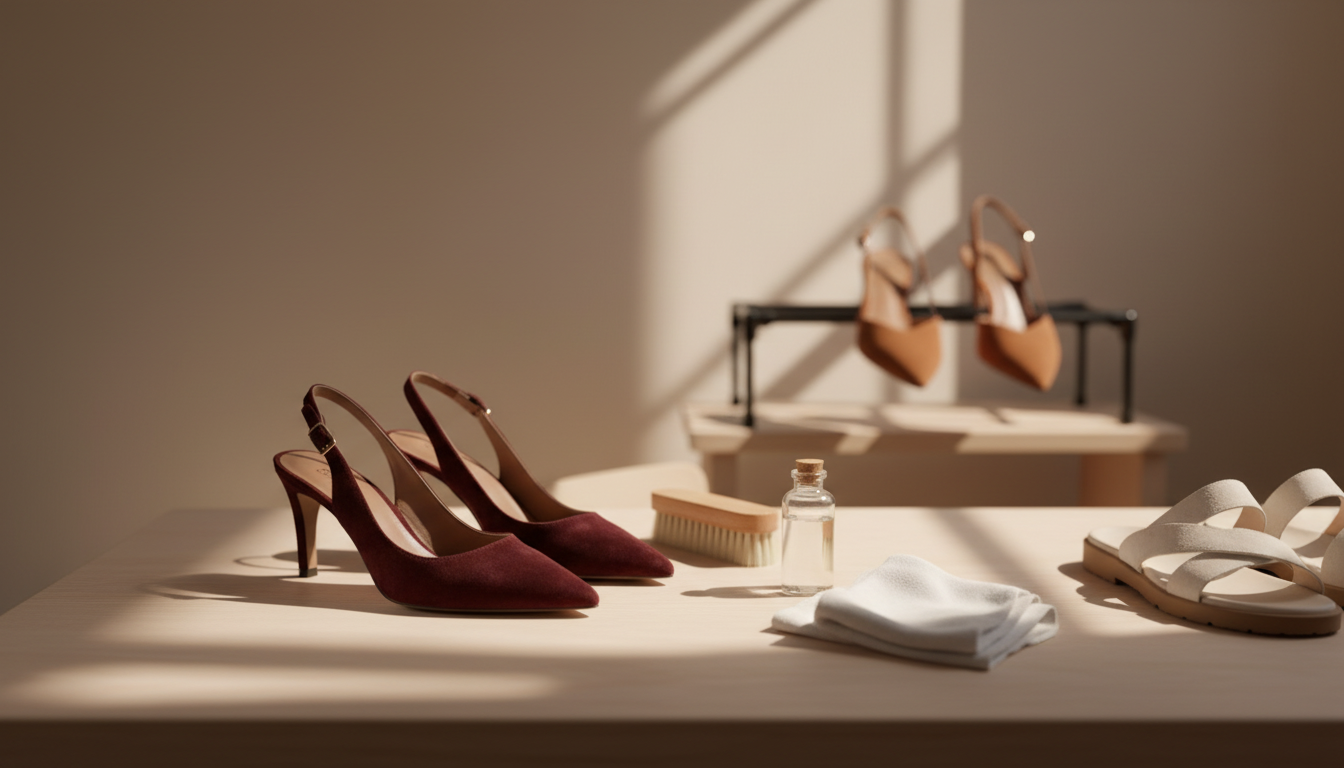
The Art of Suede Care at Home: Cleaning and Maintenance for Suede Shoes
Suede looks refined but behaves like a sponge—dust dulls it, water spots it, and oils stain it. A simple home routine keeps the nap even, the color rich, and the shoes wearable for years. The steps below focus on safe tools, stain-specific tactics, and prevention habits that reduce the need for deep cleaning. For more guidance, see A Complete Guide: How To Clean Suede Shoes at Home.
Understand Suede: Nap, Color, and Common Damage
Suede is made from the underside of leather, which creates the soft, raised fibers known as the “nap.” That nap is what makes suede look luxurious—and what makes it show every brush of a pant leg or swipe against a curb. For further reading, see 15 Tips on How to Care for Suede Shoes.
- Suede marks easily because the fibers bend and reflect light differently when they’re pressed, rubbed, or dampened.
- Common issues include surface dust buildup, flattened nap, water marks, salt lines, oil/grease spots, and dye transfer.
- Most permanent damage comes from aggressive scrubbing, soaking, or speeding up drying with heat (radiators, hair dryers, vents).
- Brushing is prevention: many “stains” are simply compacted dust and laid-down fibers that lift right out with the right brush.
For background on what suede is and why it behaves differently than smooth leather, see Encyclopaedia Britannica’s suede overview.
Build a Small Home Suede Care Kit
You don’t need a closet full of products—just a few suede-safe basics that keep you from improvising with the wrong tools.
- Suede brush (crepe or soft-bristle) for weekly dust removal and nap reset.
- Suede eraser (rubber block) for scuffs and shiny friction patches.
- Clean microfiber and white cotton cloths for blotting without lint or dye transfer.
- Suede-safe protector spray to reduce water spotting and staining (always test first).
- Optional shoe trees to help shoes dry evenly and reduce creasing that traps grime.
If you want a step-by-step routine you can keep on your phone, pair this article with The Art of Suede Care: Home Edition – Ultimate Guide to Suede Shoes Cleaning & Maintenance.
Quick Routine: Brush, Erase, Refresh
This is the “keep it looking new” routine—fast enough to do before you put shoes away, effective enough to avoid frequent deep cleaning.
- Wait for complete dryness before brushing. Brushing damp suede can lock in streaks or create shiny tracks.
- Brush lightly in one direction to remove loose dust. Think of it as sweeping, not scrubbing.
- Restore flattened nap with short, gentle back-and-forth strokes only where fibers look pressed down.
- Use a suede eraser on scuffs and shiny zones, then brush again to blend the texture.
- Spot-blot spills (don’t rub). Rubbing spreads moisture or oil deeper into the fibers.
- Finish with a single-direction pass so the color and nap look uniform across the panel.
For brand-specific care notes and general shoe care best practices, Clarks’ shoe care guide is a helpful reference point.
Stain and Mark Playbook (What to Do by Problem Type)
Different stains need different tactics. The goal is always the same: remove the issue while keeping the nap intact and the color even.
Common Suede Shoe Issues and Safe Home Responses
| Problem | Immediate Action | After Drying | Avoid |
|---|---|---|---|
| Dust/dullness | Brush lightly in one direction | Brush to lift nap and even color | Wet wiping |
| Scuff/shiny patch | Use suede eraser gently | Brush to blend texture | Hard scraping |
| Water spotting | Blot; consider light misting to even panel | Air-dry; brush when fully dry | Heat drying |
| Salt stains | Wipe with barely damp cloth; repeat as needed | Air-dry; brush; re-protect | Soaking |
| Oil/grease | Blot; apply absorbent powder | Brush off; repeat cycles if needed | Rubbing the spot |
Water Spots
Instead of targeting only the spot (which can leave a ring), lightly mist the entire affected panel so it dries evenly. Blot with a clean cloth, insert shoe trees, and air-dry at room temperature. Brush only when fully dry.
Salt Lines
Use a barely damp cloth and wipe gently—think “lift,” not “scrub.” Let it dry and repeat with minimal moisture if the line persists. Once dry, brush to restore the nap and consider reapplying protector.
Oil or Grease
Blot immediately, then apply an absorbent powder like cornstarch and let it sit for several hours (overnight works well). Brush it away and repeat in cycles. Patience beats pressure here.
Mud
Let mud dry completely, then brush off the crust. Wet wiping usually pushes grit deeper into the suede and makes cleanup harder.
Ink or Dye Transfer
Start with very light eraser work. If you see color shifting or spreading, stop—overworking ink can enlarge the problem and cause permanent patchiness.
Deep Clean Without Flattening the Nap
Protection and Storage That Actually Works
For a broader approach to buying (and maintaining) footwear that lasts, Smart Thrift: Unlocking Style Without Wasting Money – A Strategic Guide to Thrift Shopping is a practical companion—especially if suede finds are part of your rotation.
When to Stop and Get Professional Help
A Simple Weekly and Seasonal Schedule
FAQ
Can suede shoes get wet in the rain?
Yes—occasional rain happens. Blot gently, air-dry at room temperature with shoe trees, and brush only after the suede is fully dry. Avoid heat sources and never soak the shoes.
How do water stains come out of suede without leaving rings?
Lightly treat the whole panel (not only the spot) so moisture dries evenly. Blot repeatedly, let it air-dry completely, then brush to restore an even nap and color.
What’s the safest way to remove oil from suede?
Blot first, then apply an absorbent powder like cornstarch for several hours or overnight. Brush it away and repeat if needed; rubbing usually drives oil deeper and spreads the stain.















Leave a comment