Winter Car Prep Checklist: Tires, Battery, Kit & Safety
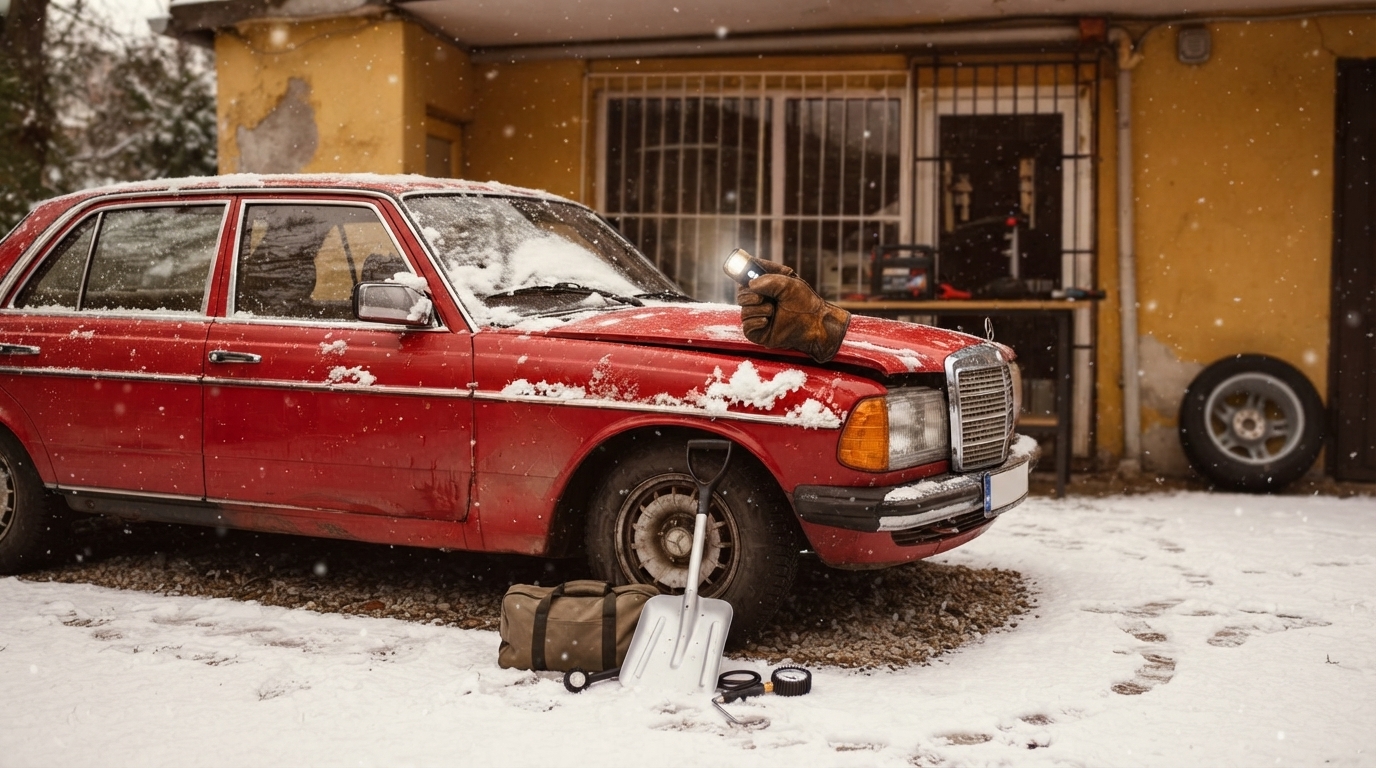
Snow-Ready: A Practical Winter Survival Plan for Your Car
Winter driving gets risky fast: cold weakens batteries, tire pressure drops, fluids thicken, and visibility disappears behind ice and road spray. A reliable routine—before the first storm and throughout the season—reduces breakdowns and helps keep every trip calmer and safer. This guide lays out a simple plan: what to check, what to pack, how to drive, and how to respond when conditions turn.
Start with a winter readiness baseline
A smooth winter starts before the first hard freeze. Scan the forecast and schedule maintenance early, when shops still have tire inventory, batteries aren’t backordered, and wiper blades aren’t picked over. Waiting until the first storm often means longer lines, fewer options, and rushed decisions.
Next, set a personal “minimum standard” for every winter trip. For many drivers, that means: at least half a tank of fuel, adequate tire tread, working defrosters, and a fully charged phone before pulling out of the driveway. Finally, build a quick weekly routine you can repeat all season—tire pressure, washer fluid, and a fast lights/defrost test takes only a few minutes.
Tires and traction: the biggest winter safety upgrade
Tires do most of the work in winter—accelerating, turning, and stopping depend on the contact patch and the tread’s ability to clear slush. Worn tires may feel “fine” on dry roads but lose margin quickly on packed snow.
- Confirm tread depth: traction drops sharply as tread wears down, especially in slush.
- Adjust tire pressure as temperatures fall: cold air lowers PSI, which can impact handling and braking.
- Consider dedicated winter tires: in frequent snow/ice, winter compounds stay more flexible in the cold (use the correct size and load rating).
- Carry a traction aid: sand, kitty litter, or traction mats can turn a “stuck” situation into a slow crawl to safety.
Tire and traction quick checks
| What to check | Why it matters | Quick test | Fix |
|---|---|---|---|
| Tread depth | Helps channel slush and grip snow | Tread gauge or wear bars | Replace tires before winter storms |
| Tire pressure (PSI) | Low PSI reduces stability and increases stopping distance | Use a gauge when tires are cold | Inflate to door-jamb spec |
| Winter tire suitability | Winter rubber compounds stay flexible in cold | Look for severe snow service marking | Install winter set if conditions warrant |
| Spare tire condition | A flat spare becomes a second problem | Check pressure and tools | Inflate and confirm jack/lug wrench |
Battery, charging system, and cold-start reliability
Cold weather increases the power needed to crank an engine while reducing a battery’s available capacity. That’s why a battery that “seems okay” in fall can fail on the first single-digit morning.
- Test early: have the battery and charging system checked before temperatures drop.
- Clean and secure terminals: corrosion and loose clamps can cause intermittent no-starts.
- Replace proactively if it’s aging: a planned replacement is cheaper than a tow and a missed day.
- Carry jump help: quality jumper cables or a jump starter (kept warm when possible) and a quick refresher on safe jump-start steps.
Fluids, wipers, and visibility in snow spray
In winter, visibility failures are often more dangerous than traction problems—because they arrive suddenly. Snow spray, road grime, and freeze-thaw cycles can turn a clear windshield into a smeared, icy blur.
- Switch to winter-rated washer fluid: summer blends can freeze and block the reservoir or lines.
- Replace wiper blades before they streak: worn blades smear salt film and can chatter on ice.
- Check coolant/antifreeze strength: the correct mixture helps prevent freezing and protects against corrosion.
- Confirm proper oil viscosity: using the recommended winter grade can improve cold starts.
- Test heater/defroster now: a weak defroster can become a safety issue within minutes of fogging or freezing.
Brakes, lights, and critical controls
Even with good tires, stopping distances increase on cold, slick surfaces. That makes brake condition and predictable lighting non-negotiable.
- Inspect brake pads and listen: squealing, grinding, or a soft pedal deserves attention before winter roads add complexity.
- Verify every exterior light: headlights, tail lights, brake lights, and turn signals—winter visibility can stay poor all day.
- Check parking brake behavior: ensure it operates smoothly; in some conditions, freezing can be a concern (follow your vehicle guidance).
- Clear lenses and glass: remove snow/ice from windshields, mirrors, cameras/sensors, and headlight lenses before moving.
Emergency kit and trunk setup for getting stuck
A winter kit is less about “survival drama” and more about turning a long wait into a manageable inconvenience. Build it around warmth, visibility, communication, and basic recovery.
Winter driving habits that prevent most close calls
For additional winter driving guidance, review the safety checklists from NHTSA and AAA.
What to do when conditions turn bad mid-trip
For broader winter readiness planning beyond the vehicle, the CDC’s winter weather resources are a helpful reference.
A simple maintenance rhythm for the full season
Helpful winter driving resources
- Snow-Ready: Your Car Winter Survival Guide | eBook on how to prepare a car for winter, Winter Driving Safety & Smart Maintenance Checklist
- No-Nausea Ride: The Ultimate Digital Guide to Beating Motion Sickness on the Road
FAQ
What should be in a winter car emergency kit?
Include warmth (blanket, gloves, hat), visibility and safety gear (flashlight, reflective triangle), basic first aid, phone charging power, and traction/recovery basics like a shovel and scraper. Add water, shelf-stable snacks, and hand warmers for longer waits.
How often should tire pressure be checked in winter?
Check at least weekly and before longer trips. Cold temperatures can lower PSI, so measure when the tires are cold and inflate to the door-jamb specification.
Is it better to warm up a car before driving in cold weather?
A brief warm-up can help stabilize idle and start producing heat for defrosting, but long idling is usually unnecessary. Prioritize clearing windows and mirrors, then drive gently for the first few minutes.













Leave a comment