4-Layer Fabric Wardrobe Cabinet: Extra Closet, Less Clutter
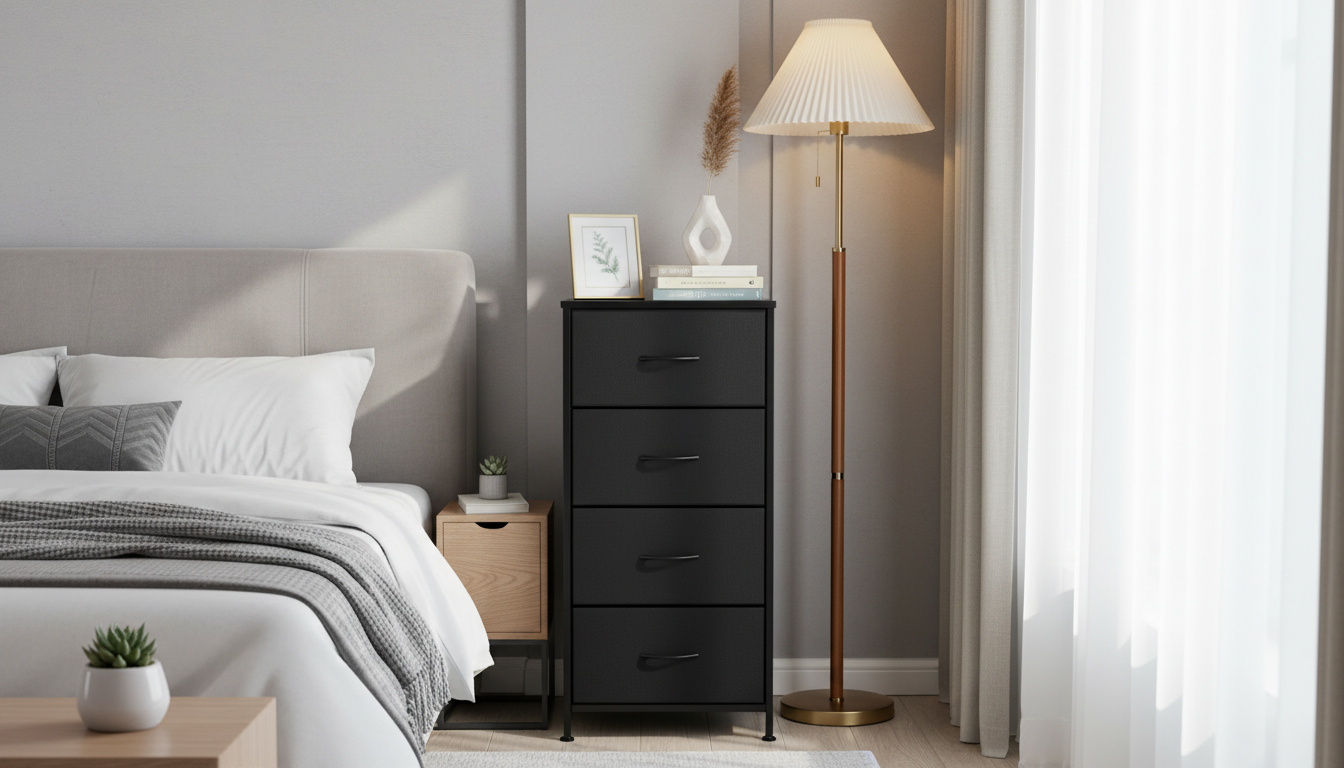
4-Layer Fabric Cabinet with Wardrobe and Steel Frame for Everyday Clothes Storage
A lightweight fabric cabinet can add a surprising amount of closet-style storage to a living room, bedroom corner, or entryway—without the bulk or cost of traditional furniture. This 4-layer cabinet is designed to combine folded storage and a small hanging area, helping everyday clothes and linens stay contained, easier to find, and less visually messy in multipurpose spaces.
What This Storage Cabinet Is Built For
This style of organizer works best when a room needs “just enough closet” without committing to a heavy wardrobe or permanent system. The layout typically blends stacked layers for folded items with a wardrobe section for hangers—useful for rotating daily outfits, setting aside guest linens, or keeping wrinkle-prone pieces ready to grab.
- Hybrid storage: folded shelves plus a hanging zone for shirts, dresses, and light jackets.
- Steel frame support: a sturdier backbone than soft-only organizers, helping the cabinet stay upright and hold shape.
- Fabric outer panels: a cleaner look than open shelving, with added protection from dust in high-use rooms.
- Flexible setup: a practical option for rentals, dorms, or temporary living situations where drilling and wall-mounted systems aren’t ideal.
Best Places to Use It at Home
Because a fabric cabinet is lighter and easier to move than furniture-grade wardrobes, it can slot into spaces that normally go unused—especially corners and narrow wall sections.
- Living room overflow storage: stash throws, guest bedding, or off-season clothing when closets are full.
- Bedroom “extra closet” zone: add hanging space for workwear or dresses without buying a full-size armoire.
- Entryway or mudroom corner: keep jackets, scarves, and grab-and-go items in one closed, tidy spot.
- Kids’ room organizer: create an easy-to-reach wardrobe system for school clothes, pajamas, and folded basics.
How to Set It Up for Better Stability and Daily Use
A fabric cabinet feels most “furniture-like” when it’s assembled carefully and loaded with a smart weight balance. Small choices—like where it sits and how shelves are packed—make a big difference in day-to-day stability.
- Start on a flat surface: confirm all connectors and frame joints are fully seated before adding any clothing.
- Load heavy items low: put jeans, thicker sweaters, and linens on lower layers to reduce sway.
- Don’t force closures: avoid overstuffing fabric panels or pulling zippers when shelves are packed; distribute weight across layers.
- Avoid heat and damp: keep the cabinet away from heaters and damp corners to protect both fabric and stored clothing.
- Mind traffic flow: in tight rooms, face the opening outward so doors/panels don’t catch on nearby furniture.
In homes with children or high activity, tip-over awareness matters for any tall storage unit. Review basic safety guidance from the U.S. Consumer Product Safety Commission (CPSC) on furniture tip-overs and keep the area around the cabinet clear.
What Fits Where: A Simple Loading Plan
To keep mornings fast and the cabinet looking neat, load it like a mini closet: hang what wrinkles, fold what stacks well, and keep the heaviest items closest to the floor.
- Hanging section: everyday tops, lightweight jackets, dresses, and anything that creases easily.
- Upper shelf/layer: hats, bags, spare pillowcases, or folded tees you rotate often.
- Middle layers: jeans, sweaters, towels, or workout gear—grouped by type to speed up routines.
- Bottom layer: shoes in a bin, heavier knits, or backup linens (heavier items lower improves stability).
- Optional organizers: slim bins or dividers to stop stacks from sliding and to separate socks, belts, and accessories.
Storage Options Compared for Clothes and Linen Overflow
| Option | Strengths | Trade-offs | Best for |
|---|---|---|---|
| Fabric cabinet with steel frame | Closed look, lightweight, mixed hanging + folded storage | Not a permanent built-in; weight limits depend on design | Rentals, dorms, overflow clothing storage |
| Open metal shelving | Very accessible, often high load capacity | Clutter stays visible; dust exposure | Garage/laundry sorting, bins and bulk items |
| Traditional wood wardrobe | Furniture-grade finish, durable | Heavy, more expensive, harder to move | Long-term bedroom storage |
| Under-bed storage | Uses dead space, good for seasonal items | Not ideal for daily access; can trap moisture if poorly ventilated | Off-season clothes, spare bedding |
Care Tips for Fabric Storage and Clothing Freshness
Fabric cabinets do well with simple habits: keep air moving, store only clean/dry items, and prevent moisture buildup. In humid regions or rooms that run cool, moisture control becomes even more important—especially when storing linens.
For additional guidance on preventing damp conditions that can lead to odors and mold, reference the CDC’s mold prevention and control resources.
When This Cabinet Is a Good Fit (and When It Isn’t)
Product Snapshot
- Name: 4-Layer Fabric Living Room Cabinet with Wardrobe & Steel Frame for Clothes Storage
- Price: $34.51 (USD)
- Availability: In stock
For a budget-friendly approach to refreshing a wardrobe once storage is handled, pair better organization with smarter sourcing using Smart Thrift: Unlocking Style Without Wasting Money – A Strategic Guide to Thrift Shopping.
FAQ
Can a fabric wardrobe cabinet be used in a living room?
Yes—it works well as overflow storage for clothes and linens, especially in a corner where it can keep items visually contained. Place it away from direct heat and moisture so the fabric and stored items stay in better condition.
How do clothes stay fresh inside a fabric cabinet?
Clothes stay fresher when everything goes in fully dry and the cabinet isn’t overpacked. In humid areas, adding moisture absorbers and airing the cabinet out occasionally helps reduce odors.
What should go on the bottom layer for stability?
Use the bottom layer for heavier folded items like jeans, sweaters, or spare linens, or keep shoes in a bin. Keeping the top layers lighter reduces wobble and makes the unit feel more stable.














Leave a comment