Cartoon Train Silicone Baby Teether: Easy-Grip Comfort
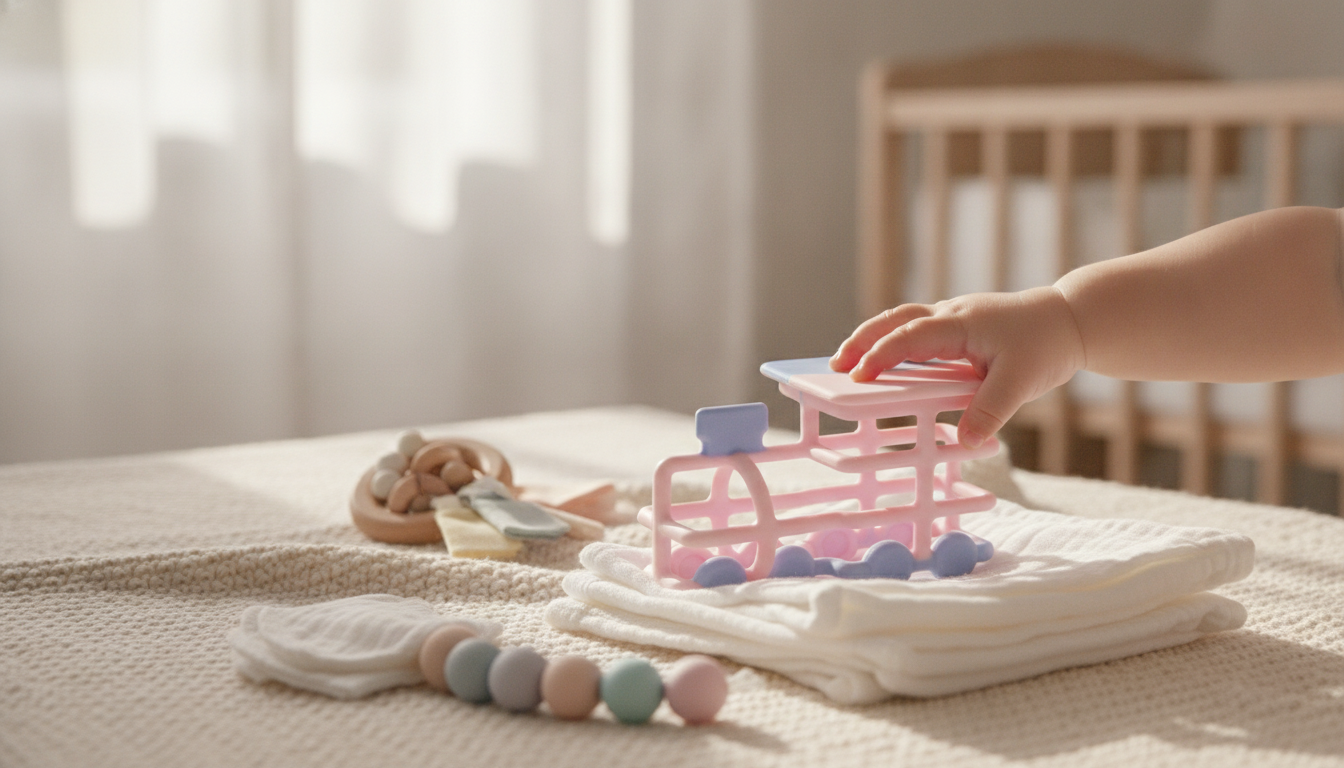
Colorful Silicone Baby Teether Toy – Cartoon Locomotive Shape
Teething can bring sore gums, extra drool, and a strong urge to chew. This colorful silicone locomotive teether is designed to be easy for little hands to grasp, fun to explore, and gentle on developing gums—while giving caregivers a simple, washable soothing tool for everyday use.
With a playful train silhouette and soft, flexible silicone, it’s a handy option to keep nearby during diaper changes, stroller walks, car rides, or those extra-fussy afternoons when baby wants to mouth everything in reach.
What Makes a Teether Helpful During Teething
A good teether does more than “give baby something to chew.” It can support comfort, routine, and early coordination during a stage when babies are learning quickly and feeling a lot.
- Provides a safe surface for chewing that can help relieve gum discomfort.
- Encourages hands-to-mouth coordination and early sensory exploration through texture and shape.
- Offers a predictable item to redirect chewing away from fingers, clothing, or household objects.
- Bright colors and a playful cartoon train shape can help keep babies engaged during fussy moments.
For a helpful overview of what’s normal (and what’s not) during teething, see the American Academy of Pediatrics guidance on teething.
Design Highlights of the Cartoon Locomotive Teether
The locomotive shape isn’t just cute—it can be practical for tiny hands that are still building grip strength and control.
- Locomotive silhouette creates multiple points to hold and chew, supporting different jaw angles.
- Textured details can add sensory variety for gums and lips.
- One-piece silicone design helps keep the toy simple to rinse and handle for daily use.
- Compact, lightweight form is suitable for diaper bags and on-the-go soothing.
Because babies often switch between gnawing, tapping, and rubbing the teether along their gums, a shape with more than one “edge” can help them find a comfortable spot without needing constant repositioning from an adult.
Materials and Comfort: Why Silicone Is a Popular Choice
Silicone is a go-to material for many baby feeding and soothing items because it balances softness with durability. It also tends to be easy to maintain, which matters when teethers get dropped—often.
- Silicone is widely used for baby feeding and teething items because it is flexible, durable, and easy to clean.
- A softer chew surface may feel gentler than hard plastic options, especially during peak teething days.
- Look for a smooth finish with no sharp edges or peeling surfaces; retire any teether that shows damage.
- Avoid adding sweeteners or coatings; a clean teether is safer for gums and emerging teeth.
For additional safety reminders related to teething toys, review the FDA tips for safe use of pacifiers and teething toys and general toy guidance from the U.S. Consumer Product Safety Commission.
Safety Checklist for Everyday Use
Even a simple teether should be treated like any other baby item: supervise use, keep it clean, and replace it when it shows wear. These habits reduce risk and keep the teether more comfortable for baby.
- Use only under supervision and check the teether before each use for cracks, tears, or loose parts.
- Choose teethers sized to prevent choking; a larger silhouette with easy-grip areas can reduce the chance of being fully inserted.
- Keep clean between uses, especially if the teether falls on floors or is shared between children.
- If the baby has a fever, diarrhea, or persistent rash, treat it as a health concern rather than a teething symptom and consult a pediatrician.
Quick Safety & Use Guide
| Topic | What to Do | How Often |
|---|---|---|
| Pre-use check | Inspect for tears, cracking, or damage; replace if worn | Before every use |
| Cleaning | Wash with warm soapy water; rinse thoroughly and air-dry | Daily and after drops |
| Supervision | Offer during awake time and remove for sleep | Every session |
| Storage | Keep in a clean, dry container or pouch | After drying |
Cleaning and Care Tips
Teethers spend time on the floor, in stroller cup holders, and in busy little hands—so a simple care routine helps keep them fresh and ready.
- Rinse promptly after use to prevent buildup of lint, dust, or residue.
- Wash with mild soap and warm water; rinse well to remove any soap film.
- Dry completely before storing to help prevent odors and surface residue.
- Rotate teethers if possible so one can dry while another is in use.
If your baby is especially comfort-seeking, consider keeping one teether at home and another in the diaper bag so you’re not scrambling when you’re out.
Gift Ideas and When to Introduce a Teether
Product Details and Where to Buy
Product: Colorful Silicone Baby Teether Toy – Cartoon Locomotive Shape
Price: $3.51 (USD)
Availability: In stock
More in-stock picks (useful for parents and gifting)
- No-Nausea Ride: The Ultimate Digital Guide to Beating Motion Sickness on the Road (digital guide for family travel)
- Smart Thrift: Unlocking Style Without Wasting Money – A Strategic Guide to Thrift Shopping (helpful for budget-friendly family shopping)
FAQ
How should a silicone baby teether be cleaned?
Wash it with mild soap and warm water, rinse thoroughly, and let it dry completely before storing. Check the item’s care instructions if provided, and replace the teether if you notice tears, cracks, or other damage.
Can a teether be used while a baby sleeps?
No—offer teethers only during supervised, awake time and remove them for naps and overnight sleep. Follow safe sleep practices and use other comfort routines (like a consistent bedtime routine) instead of leaving a teether in the crib.
What are common signs of teething, and when should a pediatrician be called?
Common signs include drooling, chewing, mild gum irritation, and fussiness. If your baby has a fever, diarrhea, or symptoms that feel severe or persistent, contact a pediatrician to rule out illness rather than assuming it’s teething.














Leave a comment