Seat Belt Buckle Cover & Guard: Stop Chafing Fast
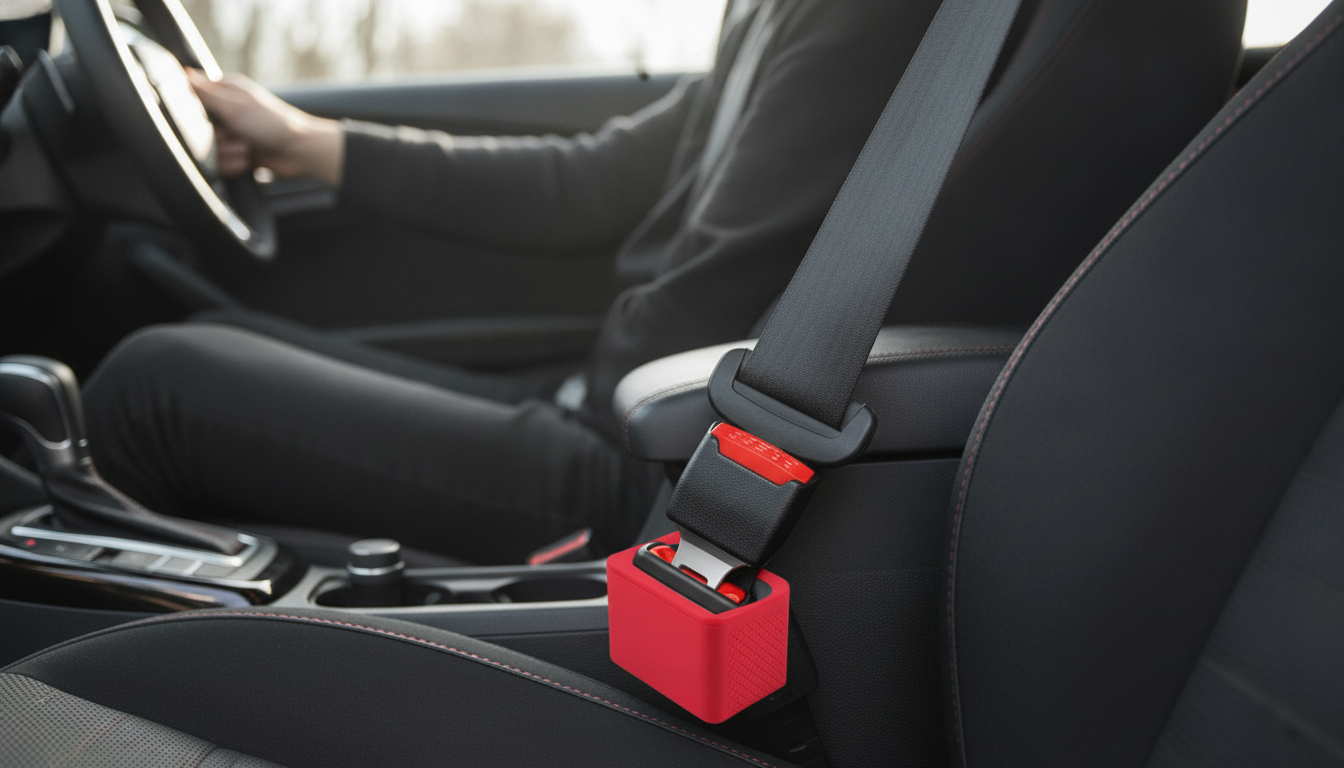
Car Seat Buckle Cover & Seat Belt Guard: Comfort, Fit, and Everyday Protection
A seat belt should protect without pinching, rubbing, or digging into the neck and chest. A buckle cover and belt guard with an anti-chafing adjuster helps reduce irritation, keeps the buckle from pressing into the body, and improves belt positioning for daily commutes, carpools, and long road trips. It’s a small upgrade that can make it easier to stay properly buckled—especially when you’re in the car for hours at a time.
What This Buckle Cover and Belt Guard Does
Comfort accessories work best when they solve specific contact problems—like a buckle edge that presses into the hip or a shoulder strap that grazes the collarbone. A well-placed buckle cover and belt guard can help in several practical ways.
- Creates a soft barrier between the buckle area and the body to reduce pressure points
- Helps prevent strap rubbing on the neck/collarbone by adding a padded contact surface
- Provides an adjuster-style hold that can help keep the belt from drifting into uncomfortable positions
- Protects clothing from abrasion and snagging near the belt contact area
- Adds a small comfort upgrade without changing the vehicle’s restraint system
Who Benefits Most
Not everyone needs extra padding, but certain driving habits and body/seat-belt geometry make chafing and pressure more likely. This type of guard is especially helpful for:
- Drivers and passengers who experience chafing on the neck, shoulder, or chest during longer rides
- People with sensitive skin or irritation from belt friction
- Rideshare drivers and frequent travelers who stay buckled for extended periods
- Adults and older kids who find the belt sits too close to the neck (without compromising proper routing)
- Anyone wanting a more comfortable buckle area when leaning slightly forward or resting against the seat
Comfort and Safety Basics to Keep in Mind
Comfort matters, but belt fit and function matter more. The goal is to reduce irritation while keeping the belt positioned the way it was designed to work. For foundational seat belt guidance, see NHTSA — Seat Belts and CDC — Seat Belt Use.
- A comfort accessory should not add bulk that prevents the buckle from latching securely
- The lap belt should stay low across the hips/pelvis; the shoulder belt should cross the center of the chest and shoulder
- Avoid placing padding in a way that changes belt routing or allows slack to form
- If an accessory causes the belt to slip off the shoulder or sit against the neck more, remove it and reassess fit
- Children who still need a booster seat should use the booster for proper belt positioning rather than relying on strap accessories
How to Install and Use It Correctly
Most comfort issues come from placement. Take a minute to install the cover and guard where contact actually occurs, then confirm the belt still retracts and lies flat.
- Unbuckle and fully extend the belt so there is enough slack to position the guard and cover where contact occurs.
- Place the buckle cover so it cushions the hard buckle area without obstructing the latch mechanism.
- Position the belt guard on the shoulder strap where rubbing typically happens (often near the collarbone).
- Tighten/secure the adjuster so the guard stays in place, then retract the belt so it sits snug against the body.
- Do a quick check: buckle clicks firmly, belt retracts smoothly, and the shoulder belt lies flat (not twisted).
Quick Fit Check: Common Issues and Fixes
If something feels “off” after installing a buckle cover or strap guard, don’t force it. Small adjustments usually solve the issue quickly.
- Buckle feels harder to click: reposition the cover farther from the latch opening; ensure no fabric blocks the tongue/buckle engagement
- Belt doesn’t retract smoothly: reduce bulk on the strap, move the guard slightly lower/higher, and confirm the strap isn’t twisted
- Guard slides around: secure the adjuster more tightly and place it on a flatter section of the belt webbing
- Shoulder belt still touches the neck: adjust seat position/height first; move the guard to spread contact across the shoulder
- Discomfort persists: confirm belt routing is correct; consider a vehicle belt height adjuster (factory feature) or seat/booster solutions when appropriate
Problem-to-Solution Comfort Guide
| Issue | Likely Cause | What to Try |
|---|---|---|
| Chafing at collarbone | Belt edge rubbing skin | Move guard to the contact spot; ensure belt lies flat |
| Buckle presses into hip/abdomen | Hard buckle surface against body | Reposition buckle cover so it cushions without blocking latch |
| Belt won’t retract | Too much bulk or strap twist | Reduce padding overlap; straighten belt; relocate guard |
| Guard keeps slipping | Loose adjuster or slick placement | Tighten adjuster; place on flatter belt section |
| Belt rides too high | Seat position/height not optimized | Adjust seat and belt height first; confirm lap belt is low on hips |
Cleaning and Care
Product Snapshot
Recommended in-stock picks
- Car Seat Buckle Cover Seat Belt Guard Holder Protector with Anti-Chafing Adjuster
- No-Nausea Ride: The Ultimate Digital Guide to Beating Motion Sickness on the Road
FAQ
Can a seat belt shoulder pad make seat belts less safe?
Yes, if it prevents a secure click, adds slack, or changes how the belt routes across the body. After installing any pad or guard, confirm the buckle latches firmly, the belt lies flat, and the retractor pulls the belt snug normally.
Where should the shoulder belt sit for a comfortable fit?
The shoulder belt should cross the middle of the shoulder and the center of the chest, staying off the neck. Adjust seat position and any factory belt-height setting first, then use a guard only to reduce rubbing where the strap contacts your shoulder.
Will a buckle cover interfere with clicking the seat belt in?
It shouldn’t if it’s positioned so no material blocks the latch opening or the metal tongue. Test for a positive click each time and give a gentle tug to confirm it’s locked before driving.















Leave a comment