Stress Less: Quick Resets & 7-Day Calm Plan
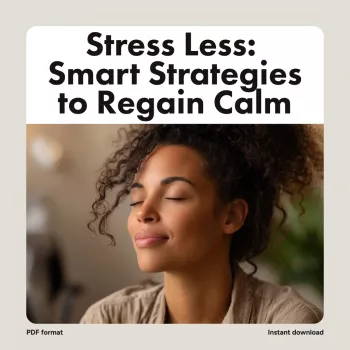
Stress Less: Smart Strategies to Regain Calm
Stress can build quietly—through overloaded schedules, constant notifications, and emotional carryover from work and relationships. Lasting calm comes from simple, repeatable skills that lower the body’s alarm signals, clarify priorities, and restore a sense of control. The goal is not a stress-free life, but a steadier baseline and faster recovery when stress spikes.
Organizations like the American Psychological Association and guidance from the Mayo Clinic emphasize practical coping tools and consistent habits. The best approach is a mix: fast nervous-system resets for the moment, plus time and emotional skills that prevent “pileups” later.
When stress stops being helpful
Stress can be useful when it’s brief and matched with recovery. It stops being helpful when the body stays in “on” mode—because demands keep outpacing rest, boundaries, and support.
- Common signs: irritability, racing thoughts, shallow breathing, trouble sleeping, muscle tension, and frequent procrastination.
- Why it happens: chronic triggers (deadlines, conflict, financial pressure, constant alerts) keep your system activated long after the situation ends.
- A practical target: reduce intensity (how big it feels), duration (how long it lasts), and frequency (how often it flares).
Fast calm: 2–10 minute nervous-system resets
When stress spikes, the fastest wins come from body-first tools. They don’t solve every problem in minutes—they lower the internal volume so you can think clearly and choose the next step.
- Physiological sigh: two short inhales through the nose, then a long slow exhale. Repeat for 1–3 minutes to downshift quickly.
- Box breathing: 4 seconds inhale, 4 hold, 4 exhale, 4 hold. Useful before meetings or difficult conversations.
- Progressive muscle release: tense and relax shoulders, jaw, hands, and calves to reduce physical stress signals.
- Cold-water face splash or cool compress: 30–60 seconds to interrupt spiraling and sharpen focus.
- A phone-free minute between tasks: prevents stacking stress from one demand onto the next.
Quick resets and when to use them
| Reset | Time needed | Best for | How it should feel |
|---|---|---|---|
| Physiological sigh | 1–3 min | Rapid calming, panic-y sensations | Breath slows; shoulders drop |
| Box breathing | 2–5 min | Pre-event jitters, racing thoughts | Mind becomes steadier and less scattered |
| Muscle release | 3–8 min | Tension headaches, body tightness | Warmth/looseness in tight areas |
| Cool compress | 1–2 min | Overwhelm, agitation | A clear “reset” moment and sharper attention |
| One-minute pause | 1 min | Task switching, notification fatigue | Less urgency; more control |
Mindset shifts that reduce stress without denial
Mindset work isn’t pretending everything is fine. It’s upgrading how you interpret pressure so your brain stops adding extra danger where none exists.
- Name the stressor precisely: swap “everything is too much” for one specific sentence about the next concrete problem.
- Separate facts from stories: facts are observable; stories are interpretations that often inflate threat.
- Use a “next right step” rule: pick one action that improves the situation in 10–15 minutes.
- Firm, not harsh self-talk: replace “I’m failing” with “I’m overloaded; I need a smaller plan.”
Time balance: a plan that prevents stress pileups
Stress often spikes when time becomes unpredictable—too many priorities, too little buffer, and no clear stopping point. A few structural tweaks can lower daily friction.
- Create a daily “stress budget”: limit high-effort tasks and protect recovery time the way you’d protect an appointment.
- Batch and buffer: group similar tasks; schedule 10–15 minute buffers to avoid chronic lateness pressure.
- Must-do vs. nice-to-do: keep three priorities max for the day to reduce mental clutter.
- Shutdown routine: capture loose ends, pick a start point for tomorrow, and end work mentally.
Emotional balance: responding instead of reacting
- Use a 90-second rule: pause long enough for the initial stress surge to soften before replying.
- Label emotions accurately: “annoyed” vs. “resentful” vs. “afraid” points to different needs and coping actions.
- Boundary scripts: short, respectful lines that protect time and energy without overexplaining.
- Connection as regulation: brief supportive contact (text, call, or co-working) reduces perceived threat and isolation, a point also reflected in public-health coping guidance from the CDC.
A simple 7-day reset plan to rebuild calm
Using a guided workbook to make the habits stick
If you want a structured, practical toolkit, Stress Less: Smart Strategies to Regain Calm (digital download) focuses on quick resets, time balance, mindset prompts, and emotional boundary skills in one place.
Stress often shows up in specific contexts—like travel or money decisions—so targeted guides can reduce friction in those areas too. If car rides or commutes trigger discomfort that adds to your stress load, No-Nausea Ride: The Ultimate Digital Guide to Beating Motion Sickness on the Road is a focused option. And if budget stress is a recurring theme, Smart Thrift: Unlocking Style Without Wasting Money – A Strategic Guide to Thrift Shopping supports calmer spending with a plan-based approach.
FAQ
What is the fastest way to calm down when stress spikes?
Try a 1–3 minute breathing reset like the physiological sigh or 2–5 minutes of box breathing, then add a quick muscle release (jaw, shoulders, hands). The goal is to lower intensity within minutes so you can choose your next step instead of trying to solve everything at once.
How can stress management work when there is no extra time?
Use micro-habits that fit into transitions: a one-minute phone-free pause between tasks, a brief breathing reset before opening email, or a 10-minute buffer block that prevents lateness pressure. Limiting the day to three priorities also reduces mental clutter without adding time.
How long does it take to feel results from daily stress practices?
Some tools help immediately (breathing, muscle release, cold compress), while a steadier baseline often shows up after 1–2 weeks of daily repetition. Track simple markers like sleep quality, irritability, and how quickly you recover after a stressful moment.















Leave a comment